
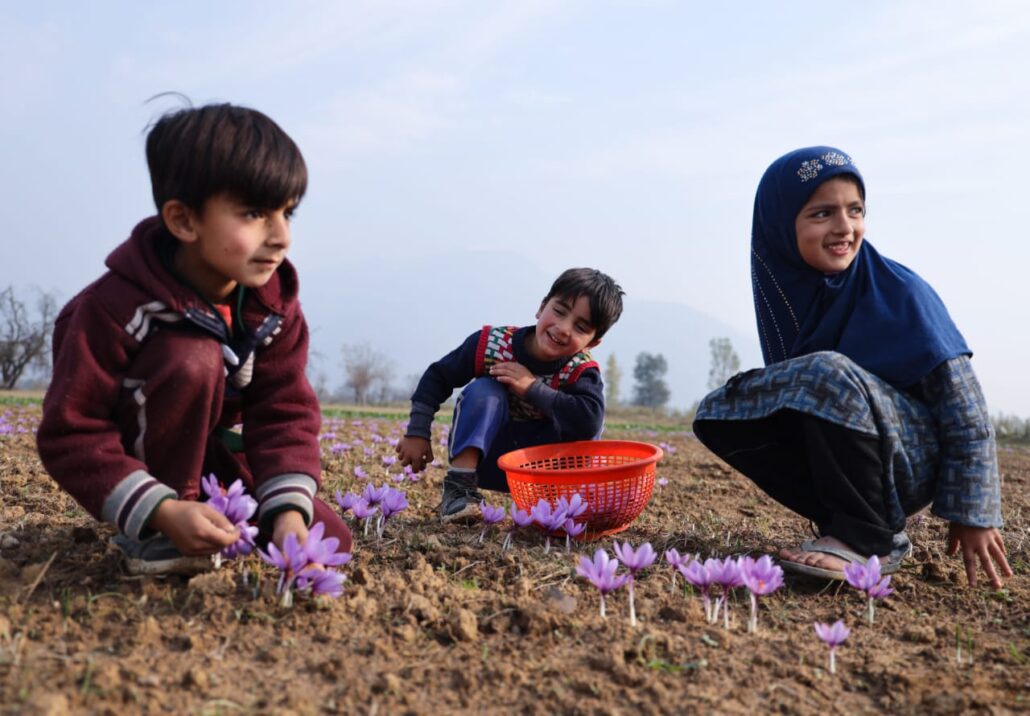
In the saffron fields of Pampore, Kashmir, every autumn morning begins with a quiet ritual. Farmers, many of them women wrapped in woolen pherans, step barefoot into rows of purple blossoms just before sunrise. They bend low, collecting Crocus sativus flowers by hand—three fragile red strands hidden inside each bloom. These stigmas, when dried, become saffron—the most expensive spice in the world, known not only for its aroma and hue but for a long list of therapeutic benefits that modern science is just beginning to validate.
For centuries, Kashmiri families have revered saffron not merely as a luxury ingredient but as medicine. It is added to warm milk for children, brewed in kehwa for elders, and mixed with honey to relieve cold and cough. While these remedies were passed down without clinical trials, research today confirms what generations have believed: saffron is a powerhouse of healing compounds like crocin, safranal, picrocrocin, and kaempferol.
One of the most celebrated benefits of saffron is its impact on mental health. Clinical studies show that saffron supplements can reduce symptoms of depression, anxiety, and stress—sometimes as effectively as standard antidepressants. In Kashmir, this claim feels deeply personal. In a region grappling with decades of conflict, trauma is interwoven into daily life. Locals speak of how saffron kehwa became part of grief rituals—offered to soothe mourners, calm nerves, and ease sleeplessness.
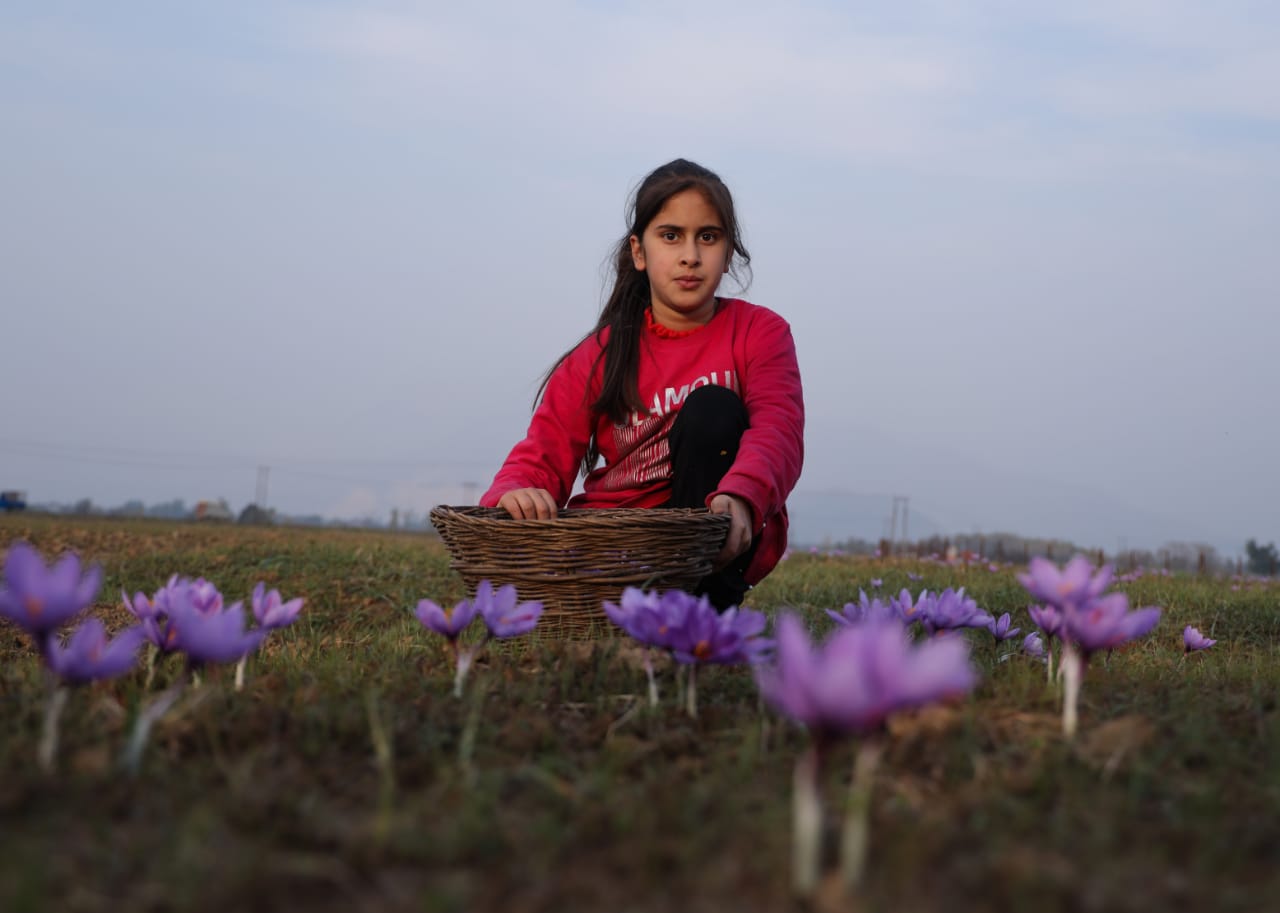
Saffron also has a significant effect on cognitive health. Studies have shown that it may protect against age-related memory decline and even improve symptoms of Alzheimer’s disease. In many rural Kashmiri households, parents give children saffron-laced milk during exam season, believing it boosts memory and concentration. Though once dismissed as folklore, these practices now align with global findings: saffron helps enhance learning and memory by increasing blood flow to the brain and reducing oxidative stress.
For women, saffron has long been used as a remedy for menstrual discomfort and hormonal imbalance. Scientific evidence supports its use in alleviating PMS symptoms, regulating mood swings, and even easing cramps. In downtown Srinagar, a Unani practitioner named Asifa shares how women line up outside her clinic each month, asking for her special saffron-and-fenugreek tonic—a family recipe her grandmother swore by.
The spice’s benefits extend to heart health as well. Crocin, a major antioxidant in saffron, helps lower blood pressure and bad cholesterol, while improving overall circulation. Cardiologists in India are beginning to recommend saffron-rich diets to patients with early signs of hypertension. In the cold reaches of Ganderbal, shepherds say they take saffron-infused milk before long treks in winter because “it warms the chest and keeps the heart light.”

Another rising area of research is saffron’s ability to support weight management. Some studies indicate it helps suppress appetite by enhancing serotonin levels, which reduces emotional eating. While saffron is no magic bullet, it can be part of a larger wellness routine aimed at weight loss, especially when taken with a balanced diet.
Perhaps lesser known is saffron’s contribution to eye health. It may improve retinal function and slow the progression of macular degeneration, especially in older adults. In the village of Chandhara, 68-year-old Ghulam Nabi attributes his sharp eyesight to a morning routine of saffron tea. “We don’t know what lutein or crocin is,” he laughs, “but we knew it worked.”
Saffron’s anti-inflammatory and anti-cancer properties are also under study. Early research suggests that crocin may inhibit the growth of cancer cells, particularly in breast, liver, and lung cancers. While much of this is in the trial stage, interest in saffron as a natural chemoprotective agent is growing.
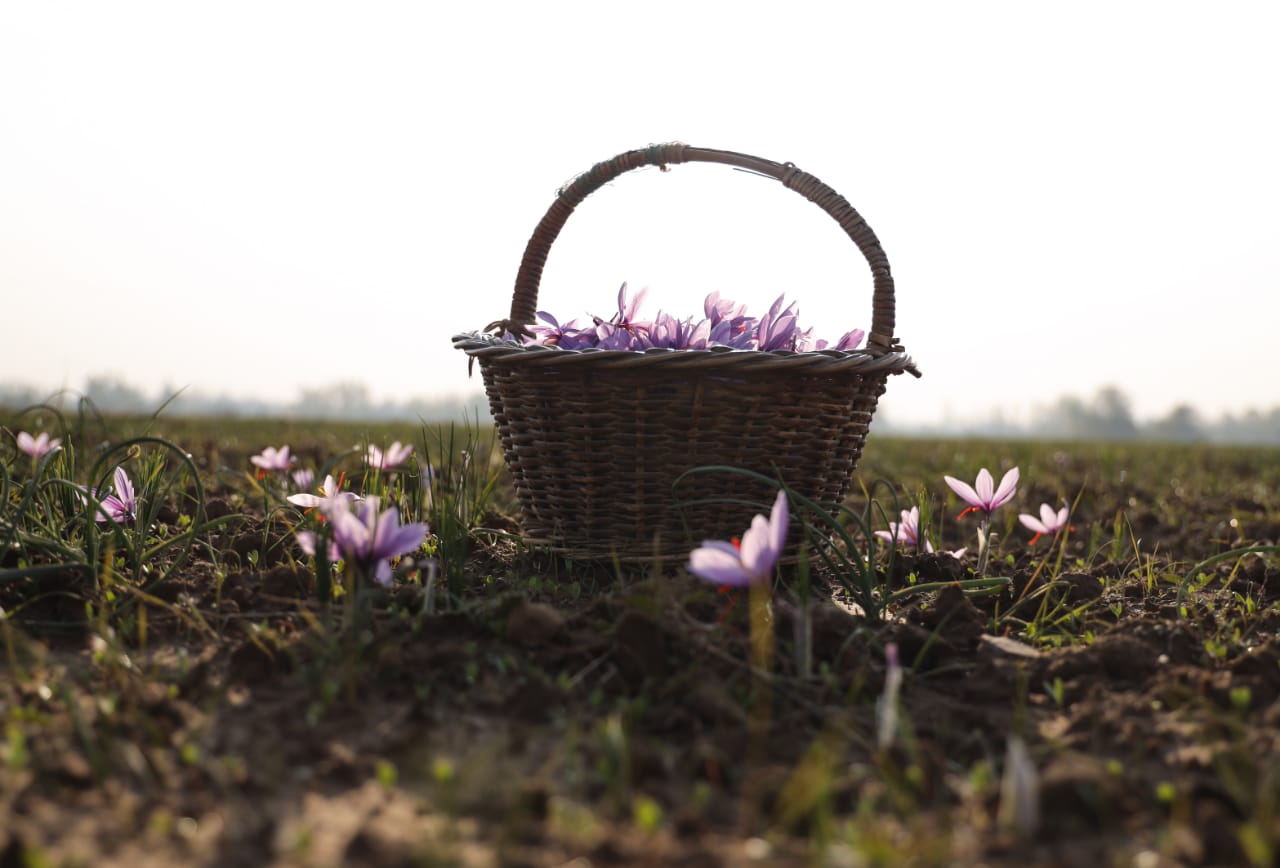
In traditional Unani and Ayurvedic medicine, saffron is considered balancing for all doshas and is often used to purify the blood, improve skin tone, and enhance libido. In Kashmir, it’s still mixed with goat milk for new mothers to restore energy and prevent post-partum depression.
But this golden spice comes at a cost—both literally and culturally. With erratic rainfall and declining harvests, the yield in Kashmir’s saffron fields has dropped in recent years. Farmers like Bashir Ahmad of Lethpora worry that the next generation will abandon the crop altogether. “They want city jobs,” he says. “But saffron is our identity. Our ancestors lived with it, worked with it, healed with it.”
Despite modern challenges, the world is paying attention. Kashmiri saffron was granted GI (Geographical Indication) tag status in 2020, giving it global recognition for its quality. Exporters are now pushing it into premium markets in Europe and the Gulf. And with the rise of natural wellness movements, demand for pure, unadulterated saffron—like the kind grown in Pampore—is at an all-time high.
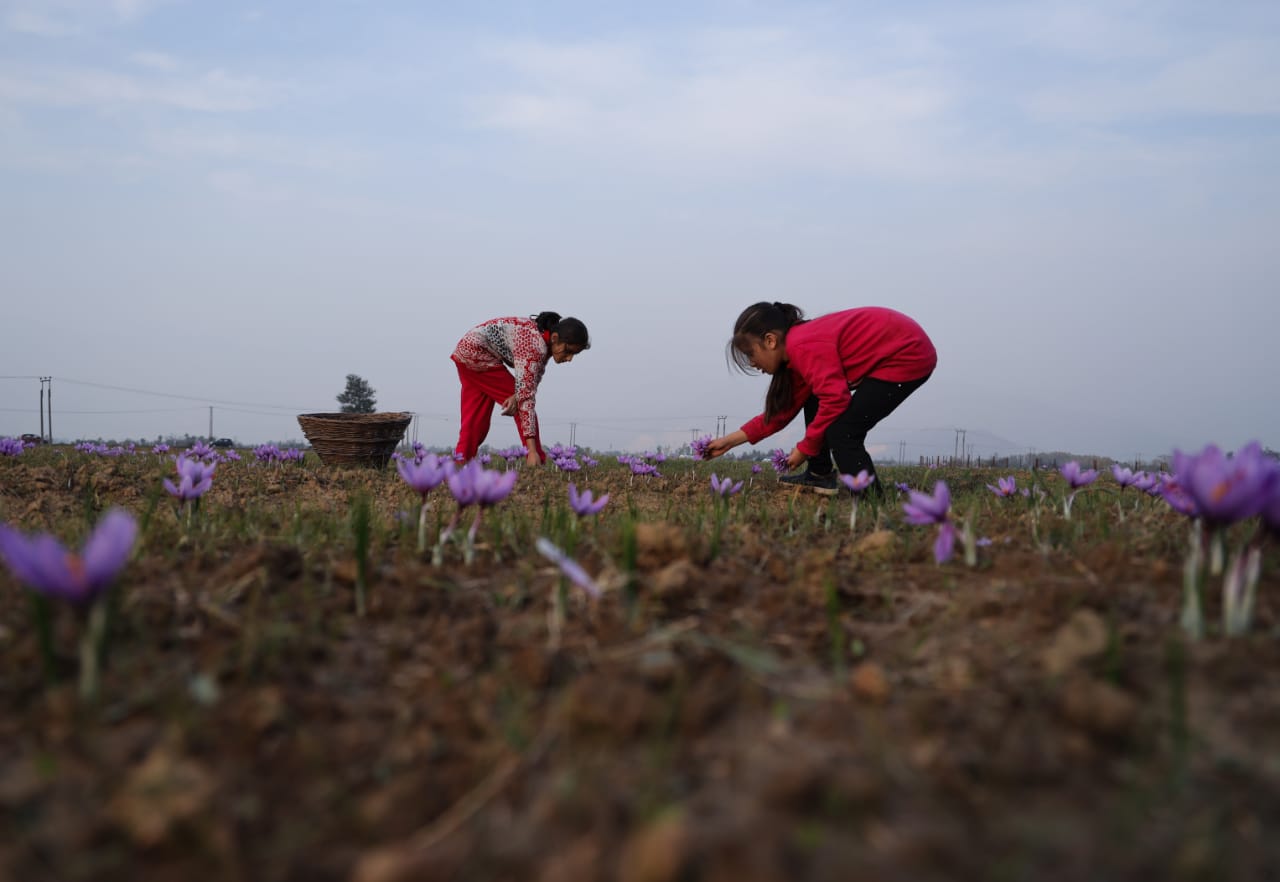
Whether it’s added to biryani, brewed in tea, or taken in capsule form, saffron stands at the intersection of tradition and science. In its three thin strands lies a history of resilience, healing, and the quiet strength of a land that has always turned to nature for solace.
As the global health industry rediscovers what Kashmiris have known for generations, saffron is no longer just a spice—it is medicine, heritage, and a future worth investing in.

- News Deskhttps://thekashmiriyat.co.uk/author/kashmiriyat/

- News Deskhttps://thekashmiriyat.co.uk/author/kashmiriyat/

- News Deskhttps://thekashmiriyat.co.uk/author/kashmiriyat/
- News Deskhttps://thekashmiriyat.co.uk/author/kashmiriyat/
