
The United States government on July 30 imposed sanctions on thirteen entities accused of engaging in the trade of Iranian-origin petrochemical products, including six companies based in India.
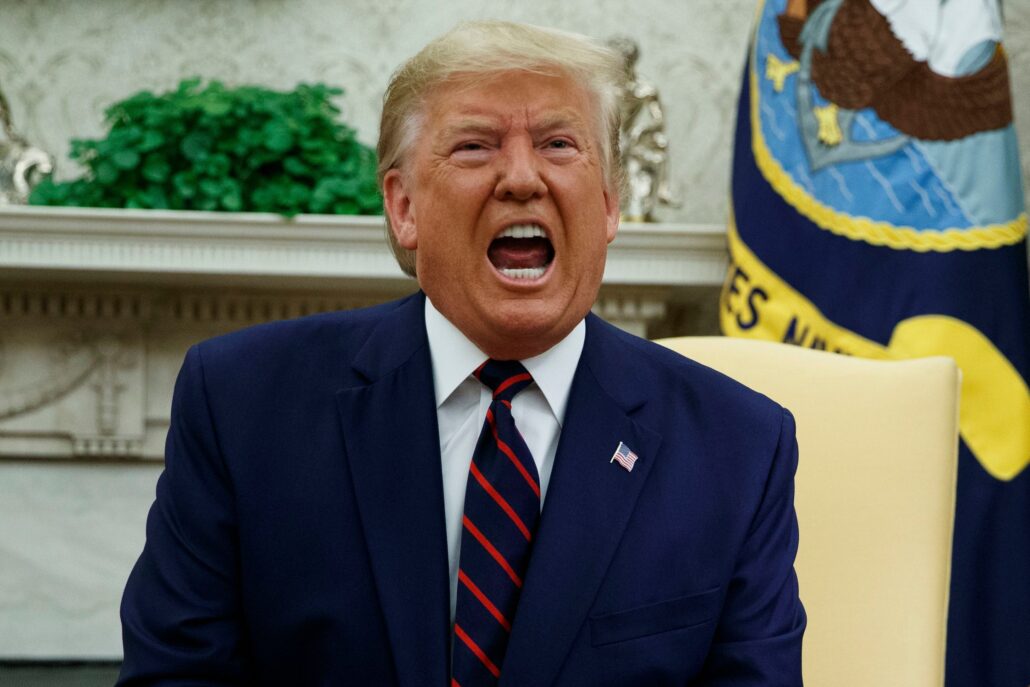
The announcement, made by the Trump administration, marks a significant escalation in U.S. efforts to clamp down on Iran’s energy exports and comes shortly after Washington slapped tariffs on Indian exports amid growing trade tensions.
According to the U.S. State Department, the sanctioned entities were involved in the trans-shipment, sale, and purchase of Iranian petrochemicals, in violation of Executive Order 13846.
Alongside the Indian firms, the sanctions target companies operating out of China, Indonesia, Turkiye, the UAE, and Iran itself. The U.S. has also identified and blocked 10 vessels linked to the Iranian petroleum trade and sanctioned 20 entities engaged in Iran’s crude oil business.
The Indian firms named include companies involved in importing significant volumes of methanol, toluene, polyethylene, and other petrochemical products from Iranian suppliers over the past year.
These include transactions ranging from a few million to over 80 million U.S. dollars.
The U.S. government has accused these companies of knowingly participating in substantial transactions that support Iran’s petrochemical sector, which it claims generates billions of dollars in illicit revenue used to fund destabilising activities in the Middle East and repress dissent at home.
The Trump administration stated that the sanctions are intended to “stem the flow of revenue” that enables the Iranian government to support terrorism abroad and maintain internal repression. It described Iran’s petrochemical industry as a key source of funds for what it called Tehran’s malign regional agenda.
As a result of the sanctions, all property and interests in property belonging to the designated Indian firms that fall under U.S. jurisdiction have been frozen. U.S. individuals and entities are now prohibited from conducting any business with these companies unless authorised by the Office of Foreign Assets Control (OFAC).
Furthermore, any companies that are directly or indirectly owned 50 percent or more by the sanctioned entities are also subject to the same restrictions.
Entities placed under sanctions can petition for removal from the Specially Designated Nationals and Blocked Persons (SDN) List by applying to the U.S. Treasury Department.
The U.S. government reiterated that the goal of sanctions is not punishment but to encourage behavioural change among violators of its foreign policy regulations.
The Indian government has not yet issued a response to the sanctions, which are likely to further complicate bilateral relations already strained by Washington’s recent tariff decisions.
United States had imposed a 25 percent tariff on a range of Indian exports, widely seen as a response to India’s continued trade with Russia.
Although the U.S. did not directly link the tariff hike to any single issue, officials have expressed anger over India’s growing economic ties with Moscow, including its purchase of Russian oil and military equipment.
The move signaled rising tensions between Washington and New Delhi, as the U.S. seeks to pressure India to align more closely with its foreign policy priorities.

- News Deskhttps://thekashmiriyat.co.uk/author/kashmiriyat/

- News Deskhttps://thekashmiriyat.co.uk/author/kashmiriyat/

- News Deskhttps://thekashmiriyat.co.uk/author/kashmiriyat/
- News Deskhttps://thekashmiriyat.co.uk/author/kashmiriyat/
