
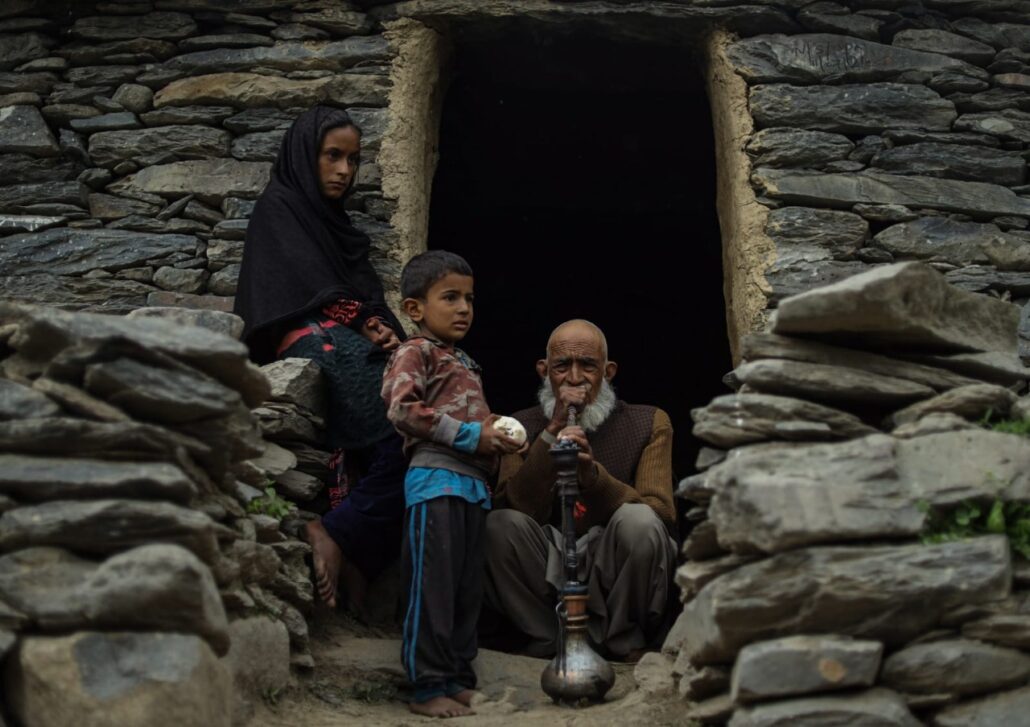
In the heart of the Himalayas, Kashmir follows a rhythm older than modern borders — a lunar-solar calendar that aligns farming seasons, folklore, festivals, and everyday life. Though most widely used by Kashmiri Pandits and farmers for centuries, this indigenous calendar reflects a cultural wisdom shared across religious and social lines. Each month, named in ancient vernacular — Czethir, Wahekh, Zeith — carries within it a world of weather, ritual, memory, and work.
The Kashmiri New Year traditionally begins with Navreh (نوۄرُہ) — the first day of the month of Chaitra, usually falling around March 20–21, aligned with the spring equinox. This day marks the beginning of the Kashmiri Hindu lunar calendar year and is observed with rituals, offerings, and quiet reflection.
But this time of year holds significance beyond religious boundaries.
Coinciding with Navreh, many Kashmiri Muslims, especially Shia Muslims, observe Navroz, a Persian-origin celebration meaning “New Day.” Introduced to Kashmir through Persianate cultural influence, Navroz marks the rebirth of nature and the beginning of a new agricultural cycle. While not a religious obligation in Islam, it holds cultural, seasonal, and spiritual importance.
In some Kashmiri Muslim households, Navroz is marked with special meals, cleaning of homes, visiting shrines, and prayers for renewal and prosperity. Farmers also begin preparing their fields, aligning with ancient agrarian rhythms.
This shared timing reflects a deeper Kashmiri truth: that time here is not just counted by calendars, but measured by seasons, soil, and spirit.
Czethir- March to mid-April: The Month of Renewal
Czethir marks the beginning of the Kashmiri year, ushering in early spring. The harsh winter loosens its grip, rivers swell with snowmelt, and farmers begin ploughing fields and pruning orchards. Kangris, the earthen firepots used during the bitter cold, are finally stored away.

The month opens with Navreh, the Kashmiri New Year, when families prepare a ceremonial thali containing rice, salt, a mirror, flowers, and the new almanac — believed to reflect the blessings of Hindu goddess Sharika from atop Hari Parbat. A saying goes, “Czethir chay karun khandar” — Czethir is for cleaning and clearing — marking it as a time of physical and spiritual renewal. In villages, women sing as they transplant rice, invoking the land’s fertility and the gods’ goodwill.
Wahekh-Mid-April to mid-May: Blossoms and Beginnings
Wahekh brings blossoming trees, buzzing orchards, and fields of mustard glowing gold. Sowing begins in earnest as wheat and barley sprout. Fruit trees — plum, cherry, apricot — start bearing, and markets overflow with melons and cucumbers.
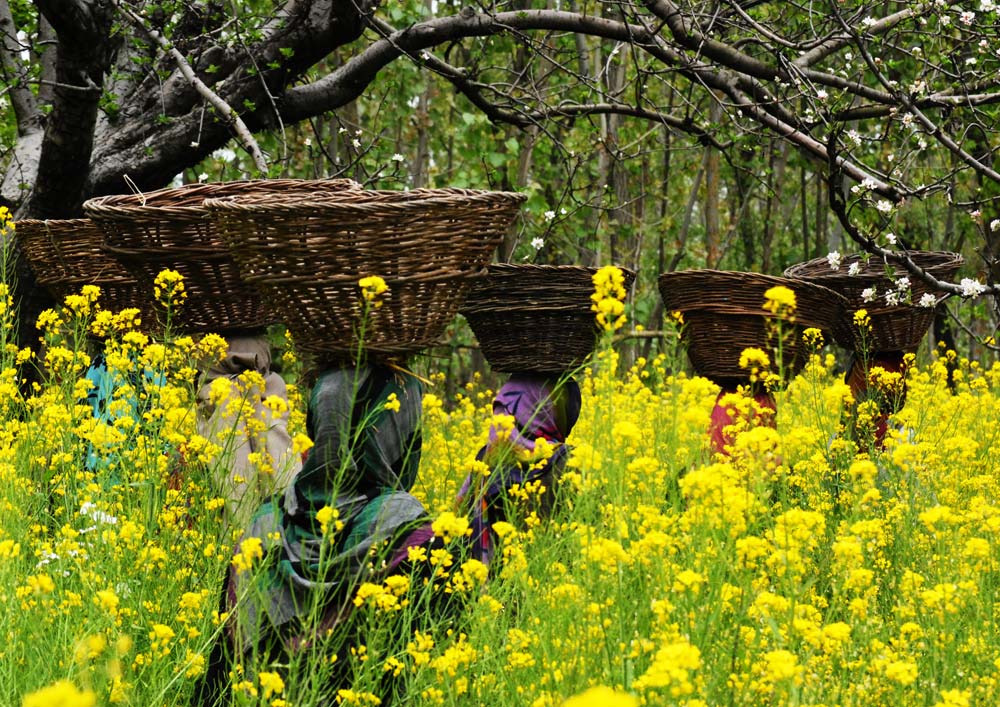
For Kashmiri Hindus, Wahekh is sacred. On Baisakhi, devotees bathe at ancient springs like Vichar Nag, whispering ancestral prayers into the flowing waters. A popular saying — “Wahekh tchuy wuchhaan von” — “In Wahekh, you can spot the wind,” captures the breezy, vibrant feel of this month. Rural kitchens begin drying kachalu (taro) and nadru (lotus stem) for winter storage, already looking ahead to the cold even as warmth settles in.
Zeith – Mid-May to mid-June: Soil and Signs
Zeith is when Kashmir’s earth truly comes alive. Paddy nurseries mature and land preparation intensifies. It’s believed the soil is most receptive now — so much so that it “talks back” to the farmer. Hence the proverb: “Zeith chay zameen guzhraan” — Zeith passes through the soil.

This is also a favored time for weddings and construction. Old-timers say if Zeith is marked by strong winds, the harvest ahead will be poor — calling it “Zeith Hawaalas.” Stories like these, told over cups of noon chai, bind communities to seasonal cycles and natural omens.
Haar- Mid-June to mid-July: Summer in Full Swing
Haara is a month of movement and frenzy. The transplantation of rice saplings, known as nattar, begins. Women enter flooded fields knee-deep in mud, singing nattar gaan, songs filled with rhythm and teasing humor — rituals of toil and resistance. Missing the first day is said to anger the paddy goddess, who may curse the harvest with disease.

“Haara tchuy haaraan” — “Haara brings running around,” the elders say, watching as homes empty and fields fill with workers. Meanwhile, children enjoy school holidays, and markets bustle late into warm nights.
Shrawun – Mid-July to mid-August: Rain and Reverence
Shrawun arrives with monsoon rains and spiritual longing. This is the time for Somwaar fasts, Amarnath pilgrimages, and hushed prayers. A lullaby often sung during downpours goes, “Shrawun tchuy jaayiye kyuth” — “Shrawun has come in mother’s lap.”
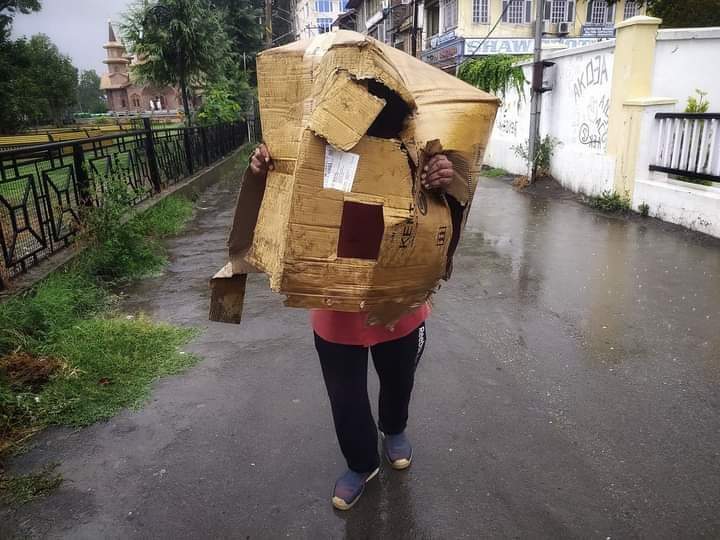
Folklore speaks of fairies bathing in alpine springs during certain nights of Shrawun — a warning to avoid lonely meadows. Meanwhile, farmers continue weeding and tending their crops, hoping the rains stay kind. For Kashmiri Pandits, Shrawan Purnima marks a sacred day of ancestral remembrance, and among Muslims, it’s common to avoid meat and instead focus on charity and prayer.
Baeder – Mid-August to mid-September: Humidity and Hopes
Baedur is the season of swelling apples, ripening grains, and lurking danger. Cloudbursts and hailstorms are feared. The saying — “Baedur, paani te andar” — “In Baedur, even the insides stay damp,” describes the oppressive humidity.

Villagers tell of Baedur treish, a phantom hailstorm said to punish those greedy enough to hoard early harvests. Farmers leave offerings — flour and salt — beneath orchard trees, invoking spirits to protect their bounty. Matchmaking and local festivals mark this time, while communities brace for the coming rush of harvest.
Aashid – Mid-September to mid-October: The Sacred Harvest
Aashid is Kashmir’s golden month. Paddy is harvested, and orchards echo with the laughter and labor of apple pickers. The landscape turns ochre and gold.
A traditional practice dictates that the first paddy stalk must be cut only after an elder walks barefoot into the field, offering thanks to the earth. The saying, “Aashid chay aab te aabroo” — “Aashid brings both water and dignity” — reflects the sacred nature of this labor.
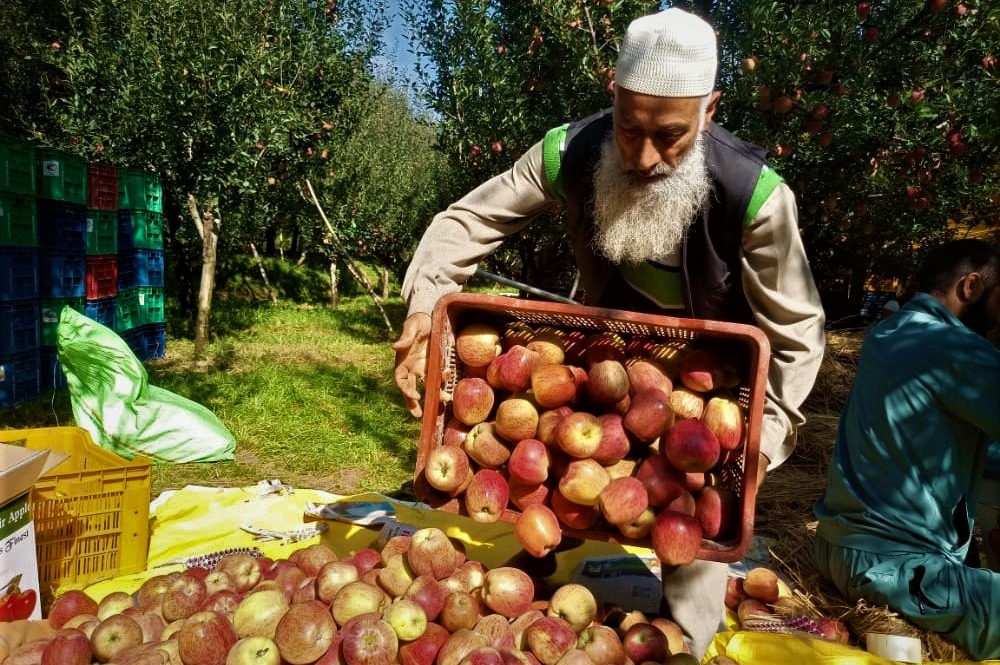
Old stories speak of the goddess Bomai, protector of crops, who blesses homes that share the first grains with neighbors — a ritual still observed in many rural homes.
Kartik– Mid-October to mid-November: The Month of Embers
Kartik sets Kashmir ablaze with the colors of autumn. Chinar trees burn in red and gold, and leaves crackle underfoot. It is said the fire-god once danced through the Valley in Kartik, leaving embers in every leaf.
With chill seeping in, people burn leaves in smoky heaps, and the scent of drying meat fills the air. On Kartik Purnima, diyas float on springs and lakes — a festival of light across religious lines. Kashmiri Pandits bathe at sacred sites like Martand and Vichar Nag, while Muslims begin winter preparations in earnest.

The saying, “Kartik tchuy wuchhaan shaalin” — “Kartik shows the shawls” — hints at the return of pherans and woolens, signaling the season’s slow descent.
Mounji Hour – Mid-November to mid-December: The Month of Retreat
Moounji Hur brings the hush of early winter. Fields lie fallow, food is stored, and kangris and pherans return to daily life. The cold is no longer a threat — it is a certainty.
“Moounji Hur, karan zuv te fur” — “Do what you must, then sleep,” sums up the month’s mood. Households dry fish and vegetables, store firewood, and stock up on essentials. Children gather around elders to hear winter tales — particularly of Sheen Maal, mythical snow monsters who knock at the doors of unprepared homes.

This month is a prelude to hibernation — a time of inwardness, storytelling, and quiet gratitude.
The Kashmiri calendar is more than just a measure of time — it’s a living heritage. It connects generations through sayings, prayers, practices, and seasonal rhythms. In an age of standardization, its continued presence — whispered in songs, etched in rituals, and written in the weathered faces of farmers — reminds us that time in Kashmir is not only told, but lived.
Poh – Mid-December to mid-January: The Deepening Silence
Poh arrives with the hush of heavy snow and the long shadows of the year’s darkest days. The world outside is still, wrapped in white. Inside, homes glow with firelight and the scent of dried vegetables simmering in pots. The wind howls through empty fields, but within walls, there is warmth, and an instinctive drawing inward.
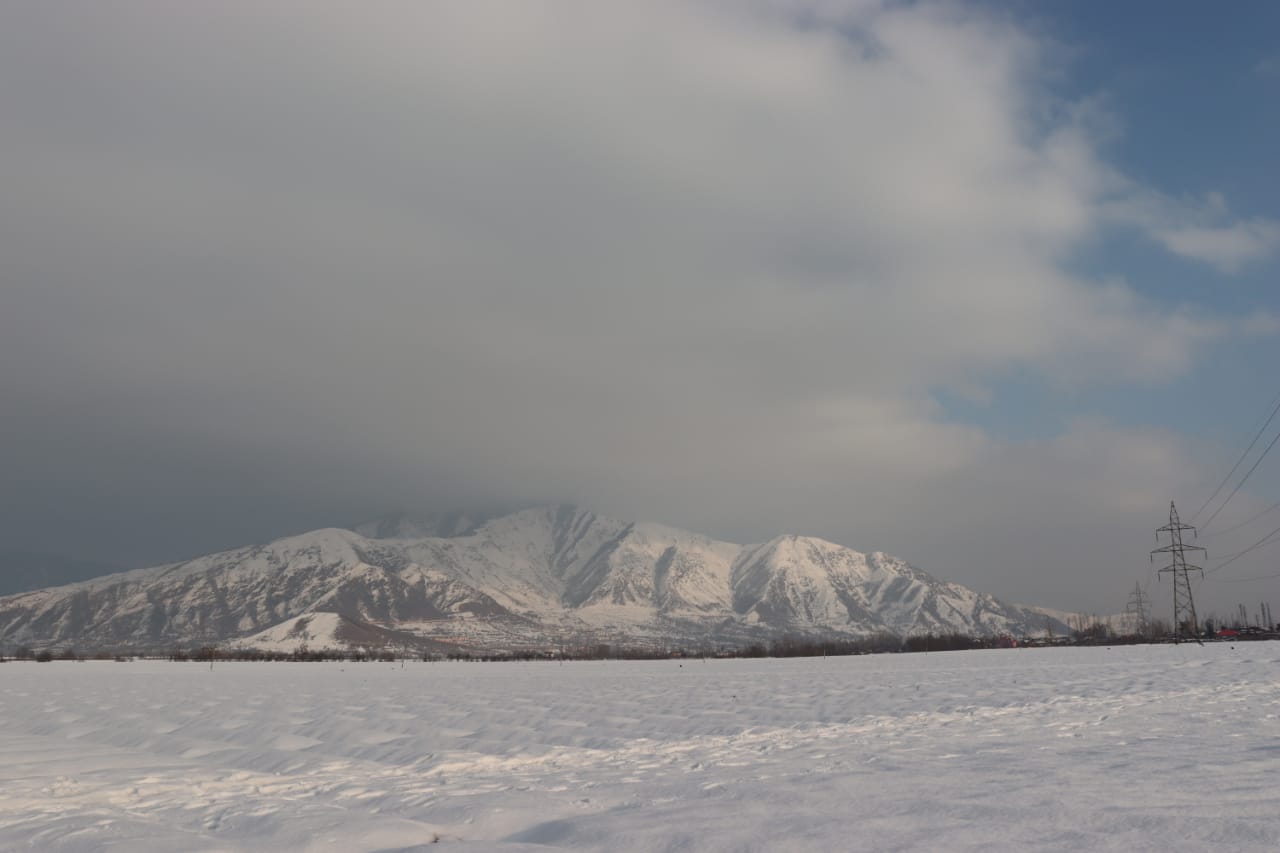
This is the season of stillness, of long nights and slow mornings. Elders recite legends of frozen rivers and invisible djinns who ride the snowstorms. The phrase “Poh tchali, nyabar gachali” — “Poh has gone, and so has the food from the store” — reminds one to ration wisely.
The landscape is stark but beautiful — black branches against a white sky, frozen streams, and the occasional hoofprint of wandering cattle or deer.
Magh – Mid-January to mid-February: The Month of Ice and Introspection
Magh hardens the snow and thickens the silence. The hearth becomes sacred. Water pots freeze overnight, and windows glaze with frost. Yet even in this freeze, there is movement — prayers rise from mosques and temples, and families begin to whisper of spring. “Magh manz pagh, rang wanuth lagh” — “In Magh comes the color of the next day” — hints at the hope that stirs beneath the frost.

Lohri and other midwinter festivals light the darkness with small fires and shared laughter. The quiet routine of daily life — cleaning, mending, storytelling — continues with practiced rhythm.
Magh is about looking inward, conserving energy, and finding beauty in simplicity.
Phagun – Mid-February to mid-March: The First Pulse of Spring
Phagun brings a subtle shift. The snow still clings to rooftops, but water begins to trickle again. Buds swell on bare branches, and birdsong breaks winter’s long hush. The days lengthen, and the sun — still pale — lingers a little longer each day.
The air carries the scent of wet earth, and people begin to venture out with cautious optimism. Fields are inspected, seeds are readied, and farmers whisper to the soil.
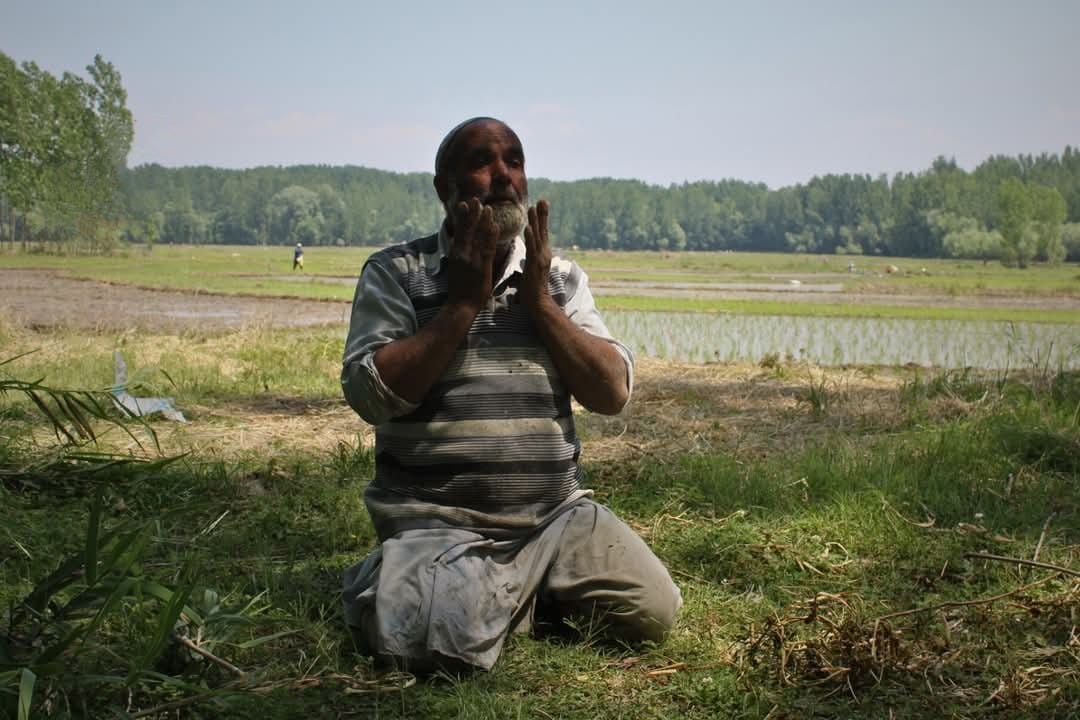
“Phagun haakh, waras haakh” — “Phagun greens are the best greens” — signals the return of fresh vegetables and the renewal of life.
Phagun is the month of memory and awakening — when Kashmir begins to stir from its long sleep, remembering the warmth that once was, and believing in its return.

- News Deskhttps://thekashmiriyat.co.uk/author/kashmiriyat/

- News Deskhttps://thekashmiriyat.co.uk/author/kashmiriyat/

- News Deskhttps://thekashmiriyat.co.uk/author/kashmiriyat/
- News Deskhttps://thekashmiriyat.co.uk/author/kashmiriyat/
