Syrian officials and Druze community leaders have announced a fresh ceasefire in the southern city of Sweida following days of violent clashes and Israeli airstrikes. However, doubts remain over its durability as Israeli strikes continued even after the announcement.
Convoys of government troops began withdrawing from Sweida after the agreement was announced via a Druze cleric’s video message and a statement by Syria’s Interior Ministry. But prominent Druze leader Sheikh Hikmat Al-Hijri distanced himself from the deal, adding to the uncertainty.
The escalation began with tit-for-tat violence between Druze factions and Sunni Bedouin groups. Government intervention, which allegedly included attacks on civilians, further inflamed tensions. Israel launched rare airstrikes in central Damascus, claiming to protect the Druze minority and deter Islamist militants near its border.
The conflict has taken a heavy toll. According to the Syrian Observatory for Human Rights, over 300 people have been killed since Monday, including women, children, and more than 160 soldiers. One Israeli strike hit Syria’s Defense Ministry in Damascus, killing three and injuring 34.
Civilians are caught in the crossfire. Heart-wrenching testimonies emerged, including that of Evelyn Azzam, who lost contact with her husband after he was allegedly shot by security forces. Videos on social media showed abuses from both sides—government fighters humiliating Druze clerics and Druze fighters executing captured soldiers.
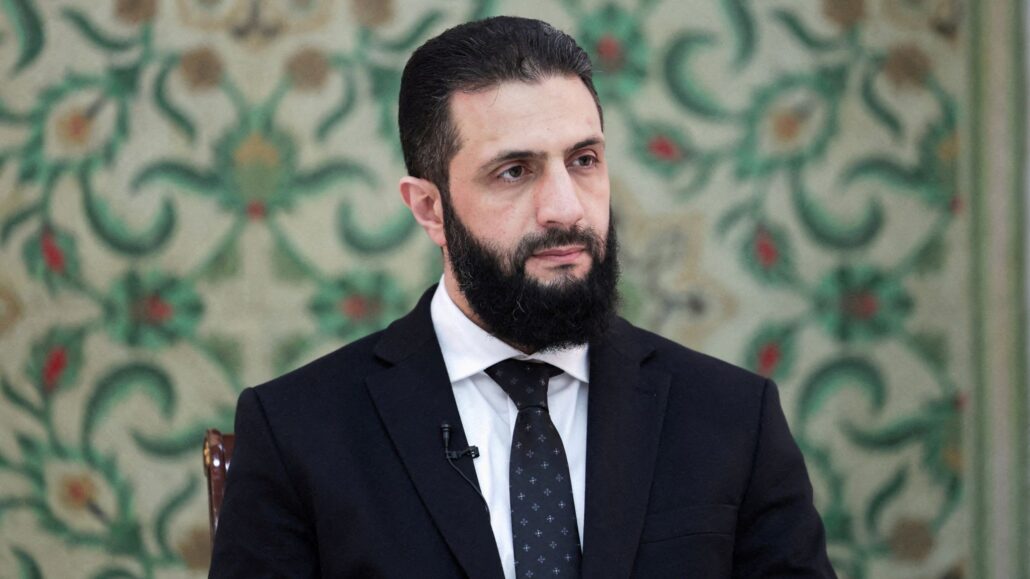
Interim President Ahmad al-Sharaa condemned the violence and promised accountability. Meanwhile, Israel warned it would intensify attacks if Syrian regime forces do not fully withdraw from contested areas.
U.S. Secretary of State Marco Rubio called the violence “deeply concerning” and urged both sides to de-escalate.
The situation remains tense, with both fear and fire spreading through southern Syria.
- News Deskhttps://thekashmiriyat.co.uk/author/kashmiriyat/
- News Deskhttps://thekashmiriyat.co.uk/author/kashmiriyat/
- News Deskhttps://thekashmiriyat.co.uk/author/kashmiriyat/
- News Deskhttps://thekashmiriyat.co.uk/author/kashmiriyat/


