When Kishori Lal speaks, it isn’t with anger. It’s with the flat weight of someone who knows that political statement has little meaning when mortar shells rain down without warning.
“In a world where words fly like missiles, survival doesn’t come from speeches, it comes from shelter,” says Kishori Lal, 50, a resident of a border village in Rajouri district of Jammu Kashmir.
His voice carries the quiet urgency of a man who survived not because of policy, but because of a hole in the ground.
Kishori’s words come at a time when India and Pakistan once again teeter on the edge of military escalation. Tensions have soared since the deadly terrorist attack in Pahalgam, where 26 people, including tourists and security personnel, were killed in what New Delhi called a “cross-border terror strike.” Pakistan, as in past episodes, denied involvement, but the damage was done.
In the days that followed, the Line of Control came alive with artillery. Indian and Pakistani troops exchanged fire across multiple sectors. Drone surveillance intensified.
Several forward villages, especially in Kupwara, Baramulla, Rajouri and Poonch, bore the brunt of retaliatory shelling. Schools shut. Roads emptied. And families, like the Lals, were forced to choose between fleeing their homes or digging into the earth.
At least 17 civilians were killed and four hundred structures have suffered damage.
While television anchors in Delhi and Islamabad exchanged sharp statements, television studios turned war into prime-time theatre. Pundits thundered about retribution, In cities hundreds of miles away, public discourse hardened around nationalism, revenge, and “decisive action.” But in places like Rajouri, the battle wasn’t ideological. It was literal.
A Hole That Held a Family
By the time the first shell hit, the sunlight in Rajouri had already begun to lose its edge. There was no warning—no siren, no announcement. Just a hollow sound streaking through the sky.
Kishori Lal didn’t hesitate. He grabbed his wife’s hand, called out for the children, and ran—not away from the house, but toward the septic tank out back. The house was barely a month old, the paint still fresh. But when you live near the border, dreams are built with an exit plan.
“We didn’t know if we’d make it,” Kishori said later, standing beside the crater where his living room once stood. “But I knew that pit might be our only chance.”
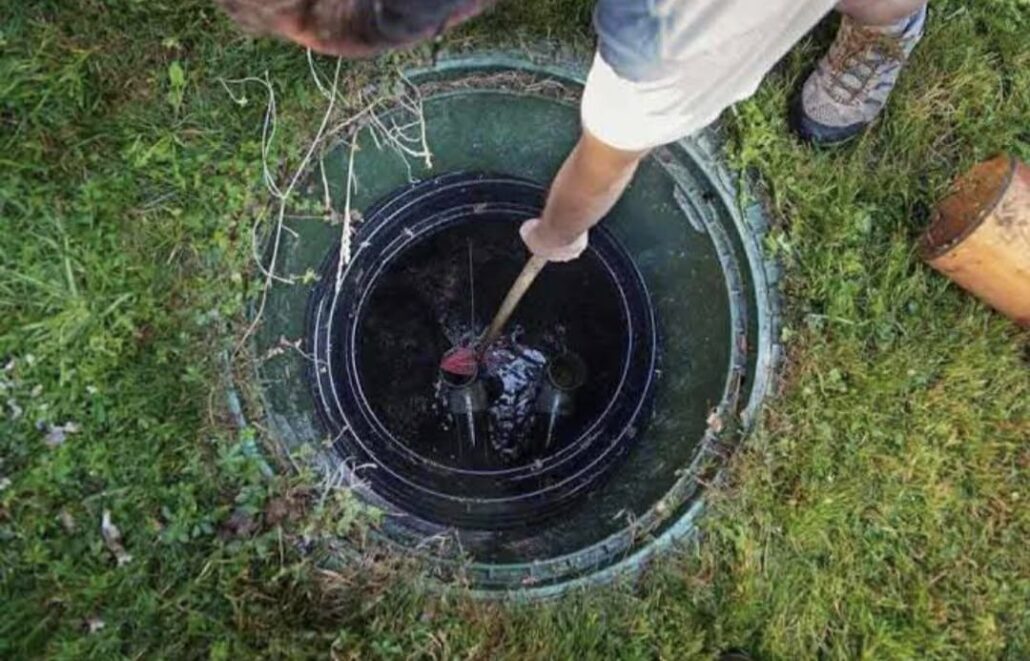
That pit wasn’t built for shelter. It was part of an unfinished sanitation project—a few feet deep, lined with concrete, and open to the sky. Days earlier, Kishori and his son Rakesh had added sandbags and timber to protect it from rain. That reinforcement saved them.
In those frantic minutes, the entire family—nine in total—squeezed into the damp, narrow tank. They covered the opening with planks and logs. Seconds later, a blast tore through their home.
“Everything we had was destroyed,” Rakesh recalled. “But that hole—meant for waste—became a bunker.”
When they emerged, the silence was louder than the blast. Dust hung like mist. Their home had collapsed inward, walls crumbled, the kitchen roof folded like paper. But the family was alive.
“We came out of that pit like people rising from a grave,” Kishori said. “Alive, but not the same.”
The children haven’t returned since. The youngest has stopped speaking. Their mother avoids open skies. The tank remains as it was—half-covered, now a monument to survival built from exhaustion and instinct.
The War We Don’t Choose
What saved Kishori’s family was not a military installation or an official warning. It was a concrete hole they dug themselves.
The story is not unique in Rajouri. Another family nearby survived using a similar structure. “We were told the ceasefire was holding,” Rakesh said. “But words don’t stop shells. Cement does.”
As urban India debates war in hashtags and hot takes, those on the border are left with broken walls and fractured sleep. “People in cities like Delhi and Mumbai sit on their sofas and talk about teaching Pakistan a lesson,” said Rakesh, bitterness flickering beneath his voice. “They want war. They vote for it. They cheer it on from TV studios. But here, we bury the cost.”
His cousin Sunita, who fled with her newborn to a cowshed during the shelling, added, “Our homes are shattered, our children are scared of the sky. Yet no one asks us what we want. We’re always caught in the middle. And it’s always the ones far away who make the decisions.”
The media’s role in stoking the flames hasn’t gone unnoticed. “These news anchors need to stop shouting for war like it’s a cricket match,” said Lal’s neighbor, Mushtaq Ahmad. “Humans are dying. Families are being displaced. You can’t keep playing nationalism like it’s a TV drama.”
In Rajouri, peace isn’t a slogan. It’s the difference between living in a house or hiding in a hole. Between having dinner at the table or praying in a trench.
“As long as war remains a spectacle for urban India, the quiet suffering of border villages like this one will go unheard—until another explosion reminds the nation that peace, here, was never a guarantee,” said Kishori.

- News Deskhttps://thekashmiriyat.co.uk/author/kashmiriyat/

- News Deskhttps://thekashmiriyat.co.uk/author/kashmiriyat/

- News Deskhttps://thekashmiriyat.co.uk/author/kashmiriyat/
- News Deskhttps://thekashmiriyat.co.uk/author/kashmiriyat/
