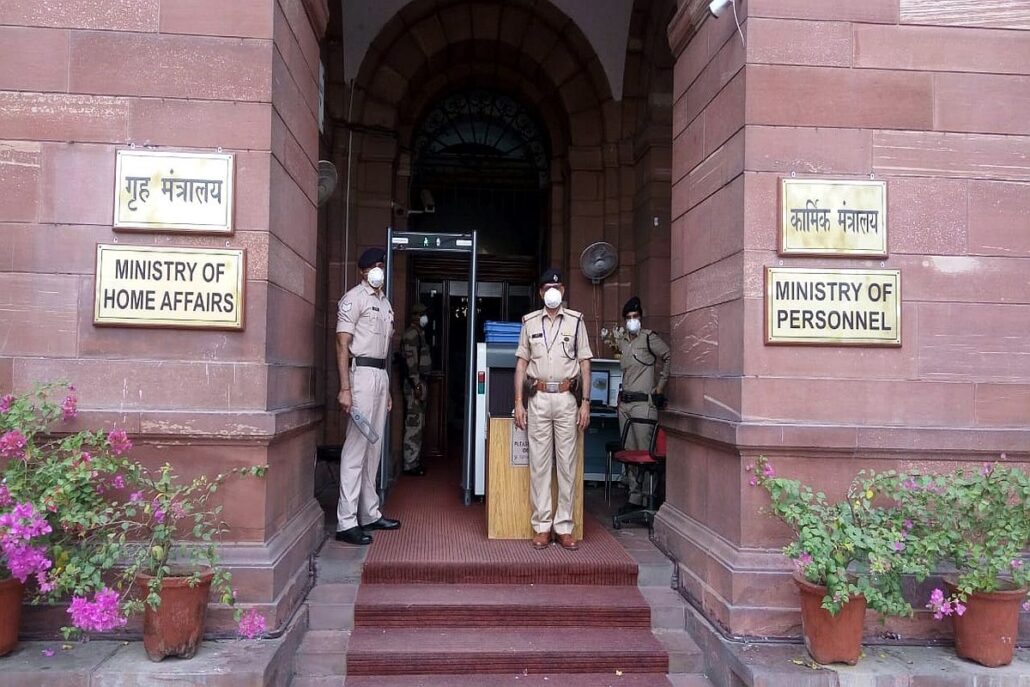
In the wake of the deadly terrorist attack in Jammu Kashmir’s Pahalgam that left 26 people dead on April 22, the Ministry of Home Affairs (MHA) has ordered multiple states to conduct civil defence drills on May 7 to strengthen emergency preparedness across the country, reports appearing in national media said.
The Pahalgam attack, linked to Pakistan-backed terrorist groups, has significantly escalated tensions between India and Pakistan. In response, the Indian government has initiated a series of precautionary and retaliatory measures, including enhanced readiness of both civilian infrastructure and armed forces.
According to officials, the upcoming drills will involve:
- Activation of air raid warning systems
- Civilian training sessions, including for students
- Implementation of blackout protocols
- Camouflaging critical infrastructure
- Rehearsals for updated evacuation plans
This development comes alongside broader diplomatic and military fallout. India has suspended the Indus Waters Treaty (IWT) and called on the Asian Development Bank to halt funding to Pakistan. Meanwhile, ceasefire violations have intensified along the Line of Control (LoC), with Pakistani forces reportedly firing small arms for ten consecutive nights.
Pakistan has warned it will respond with “full force and might” if water flows are restricted from Indian-administered rivers, especially following India’s closure of all gates at the Salal Dam on the Chenab River, affecting water levels in Jammu and Kashmir’s Reasi district.
The strategic importance of the IWT—which divides control of six major rivers between the two countries—has now become a flashpoint. While the Eastern rivers (Ravi, Beas, Sutlej) belong to India, the Western rivers (Indus, Jhelum, Chenab) are allocated to Pakistan, with India having limited rights.
India’s Defence Minister Rajnath Singh and Prime Minister Narendra Modi have both vowed a firm response to the attack. Modi has granted the armed forces full freedom to determine the mode, timing, and target of retaliation, calling the nation’s resolve “unyielding” in the fight against terrorism.
Amid these developments, Pakistan conducted its second missile test in two days, claiming the move was to assess operational preparedness. The launch of the Abdali Weapon System, with a range of 450 km, was described by Indian officials as a “blatant provocation.”

- News Deskhttps://thekashmiriyat.co.uk/author/kashmiriyat/

- News Deskhttps://thekashmiriyat.co.uk/author/kashmiriyat/

- News Deskhttps://thekashmiriyat.co.uk/author/kashmiriyat/
- News Deskhttps://thekashmiriyat.co.uk/author/kashmiriyat/
