In the aftermath of the devastating Pahalgam terror attack on April 22, 2025, survivors and victims’ families have come forward with messages emphasizing unity and cautioning against communal divisions.
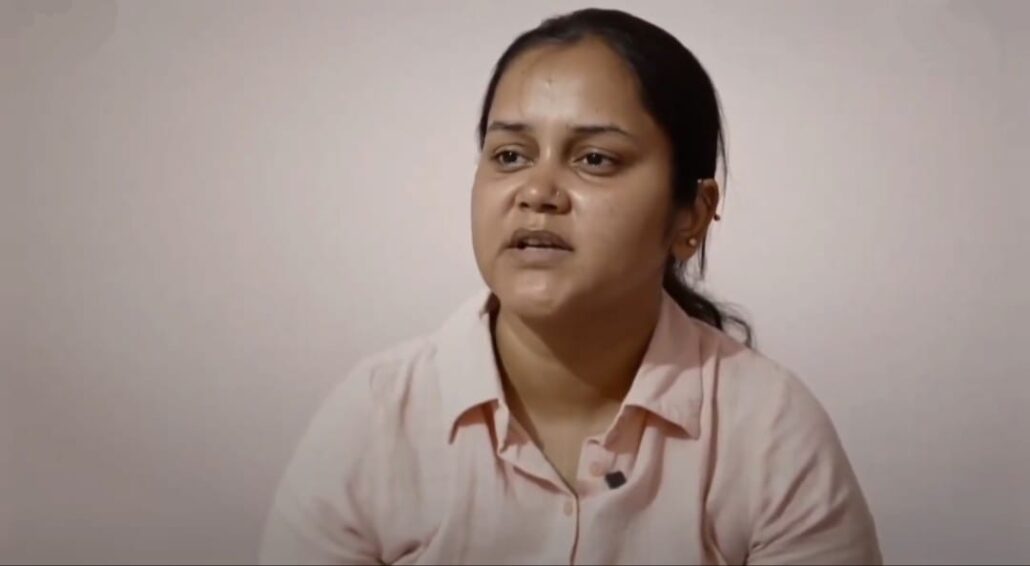
Aishanya Dwivedi, who lost her husband Shubham during their honeymoon in Kashmir, recounted the harrowing experience. She described how militants approached them in Baisaran Valley, asked about their religion, and upon learning they were Hindus, shot her husband point-blank.
Despite her personal tragedy, Aishanya emphasized that the perpetrators do not represent any religion, stating, “Terrorists have no religion. They are not even humans. They have no identity other than being terrorists. I fail to understand why we are bringing in religion—Hindu-Muslim—into the attack.”
Similarly, Himanshi Narwal, the widow of Navy officer Lt. Vinay Narwal, who was also killed in the attack, appealed for communal harmony. She urged the public not to target Muslims or Kashmiris in response to the tragedy, highlighting the importance of unity and cautioning against allowing hatred to divide communities. “We don’t want people going against Muslims or Kashmiris. We want peace and only peace. Of course, we want justice,” she said.
The Pahalgam attack, carried out by five armed militants near Pahalgam in Jammu Kashmir, is considered the deadliest incident of its kind in India since the 2008 Mumbai attacks.
The Pahalgam attack was carried out by five heavily armed militants who ambushed unarmed civilians at Baisaran, near the tourist town of Pahalgam in south Kashmir.
The attack claimed the lives of 26 individuals. Intelligence agencies have linked the attackers to groups operating from across the border, prompting sharp reactions from Indian officials.
In the days following the attack, India lodged a formal diplomatic protest with Pakistan, accusing it of harboring and supporting terrorist groups that threaten regional peace.
Meanwhile, there has been a disturbing rise in retaliatory attacks and harassment against Kashmiris across several Indian cities.
Reports have emerged of Kashmiri students being evicted from hostels, tenants being forced to vacate, and Muslim-owned businesses being vandalized. Civil rights groups have urged authorities to act swiftly against hate crimes and protect innocent citizens from collective blame, warning that such actions only serve to deepen divisions and fuel the very extremism the attackers sought to provoke.

- News Deskhttps://thekashmiriyat.co.uk/author/kashmiriyat/

- News Deskhttps://thekashmiriyat.co.uk/author/kashmiriyat/

- News Deskhttps://thekashmiriyat.co.uk/author/kashmiriyat/
- News Deskhttps://thekashmiriyat.co.uk/author/kashmiriyat/
