
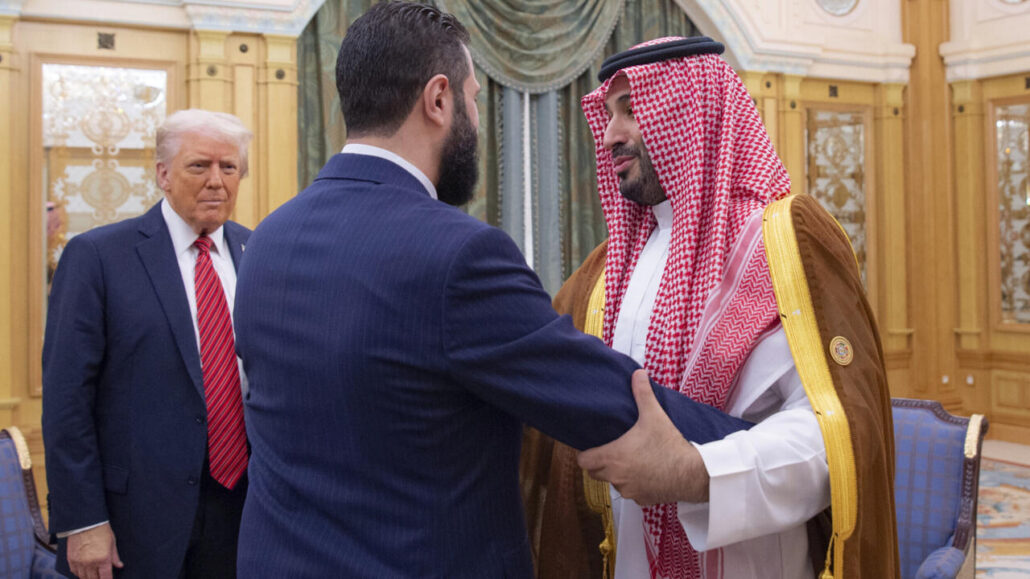
Following the fall of Bashar al-Assad’s government, major Western powers have moved quickly to lift long-standing sanctions on Syria, signaling a potential shift in its global economic standing.
The European Union has removed restrictions in key sectors including banking, energy, and transportation, while the United States eased financial and investment bans, opening the door for reconstruction funding and trade.
A senior EU diplomat stated, “These measures are meant to give Syrians a chance to rebuild — not to reward any political side.” President Donald Trump welcomed the lifting of restrictions, calling it “a step toward stability” and highlighting Syria’s potential as a strategic economic hub.
Assad, widely viewed as anti-Western during his rule, implemented economic measures that effectively targeted Western interests. Though Syria lacked the global economic reach to impose formal retaliatory sanctions, it adopted protectionist policies that served a similar purpose.
Vessels headed to Western markets were subjected to steep transit fees when passing through Syrian ports, and goods linked to Europe and the U.S. faced some of the region’s highest tariffs. Western firms were largely barred from investing or operating in Syria’s state-controlled economy, as the regime maintained tight restrictions on foreign access, especially from the West.
These policies further strained already tense relations with Europe and the United States.
Though questions remain about long-term stability, many in the international community see the lifting of sanctions as a pivotal shift. “Assad’s isolationist stance cost Syria economically,” said a European analyst. “This new chapter—whatever its politics—marks a break from that era.”