

Firdous Qadri
Jammu Kashmir Government has approved the “Chief Minister’s Scheme for Introduction of Heritage Courses” under the Skill Development Department, a major initiative aimed at preserving the Valley’s dying traditional crafts and creating employment opportunities for youth.
According to officials, seven traditional craft courses will be revived across 25 training units in government ITIs and Polytechnics, with a total intake capacity of 500 students.
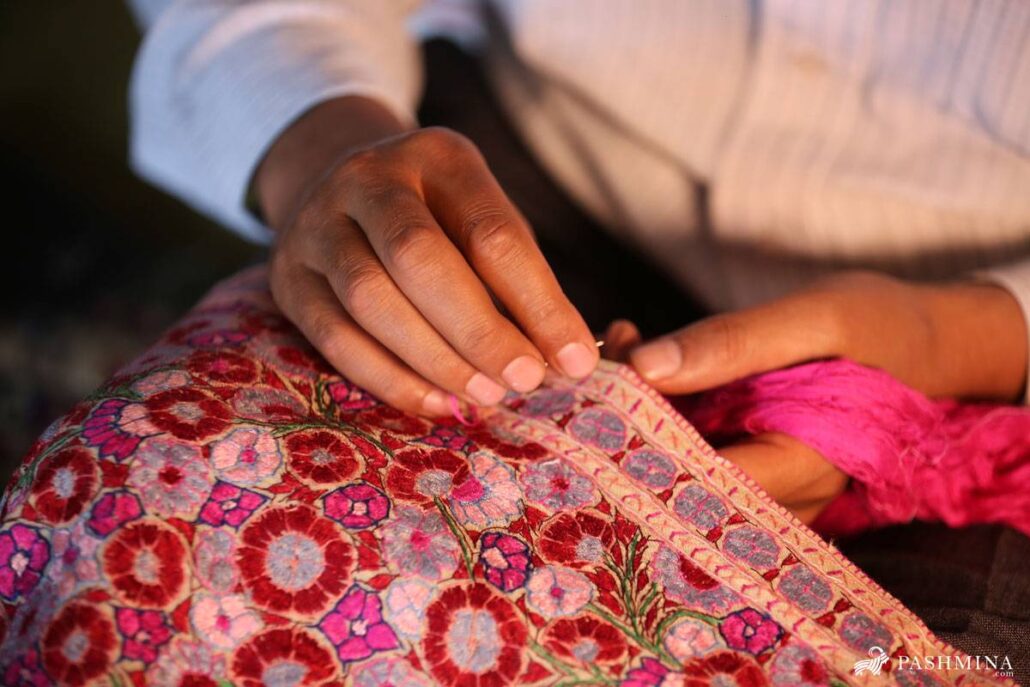
Chief Minister Omar Abdullah’s office said the scheme seeks to blend traditional knowledge with modern training, ensuring that age-old crafts such as wood carving, papier-mâché, shawl weaving, embroidery, and copperware continue to thrive as viable professions.
Under the scheme, trainees will receive monthly stipends, while instructors will be provided honorariums to promote both participation and quality training.
Artisans across Kashmir have welcomed the move, calling it a long-awaited step to protect Kashmir’s artistic identity. “This is the first time in years that the government has thought seriously about our survival,” said Abdul Rashid Sofi, a master papier-mâché artist from Srinagar. “Our craft was fading, apprentices were leaving, and workshops were turning into storerooms. Omar Sahib’s decision has brought hope back into our homes.”
Similarly, young artisans view the move as a lifeline for traditional skills that had been overshadowed by imported machine-made goods.
“We had almost given up,” said Shazia Bashir, a 22-year-old shawl weaver from Anantnag. “In the last few years, there were no proper training programmes or incentives. Our legacy was dying. This scheme means our art will not just survive, it will earn us dignity again.”
A senior official in the Skill Development Department told The Kashmiriyat that the initiative aims to link the courses with employment and entrepreneurship opportunities. “The plan is to make our artisans industry-ready without losing their cultural essence,” he said.
The move, officials said, will also help revive the global reputation of Kashmiri handicrafts, which once defined the region’s economy and identity.
“For decades, the pride of Kashmir, its art and artisans, had been reduced to nostalgia,” said Abdul Rashid Sofi. “This initiative signals a return to seriousness about heritage. It’s not charity; it’s policy.”


- News Deskhttps://thekashmiriyat.co.uk/author/kashmiriyat/

- News Deskhttps://thekashmiriyat.co.uk/author/kashmiriyat/

- News Deskhttps://thekashmiriyat.co.uk/author/kashmiriyat/
- News Deskhttps://thekashmiriyat.co.uk/author/kashmiriyat/

