Shah Hilal
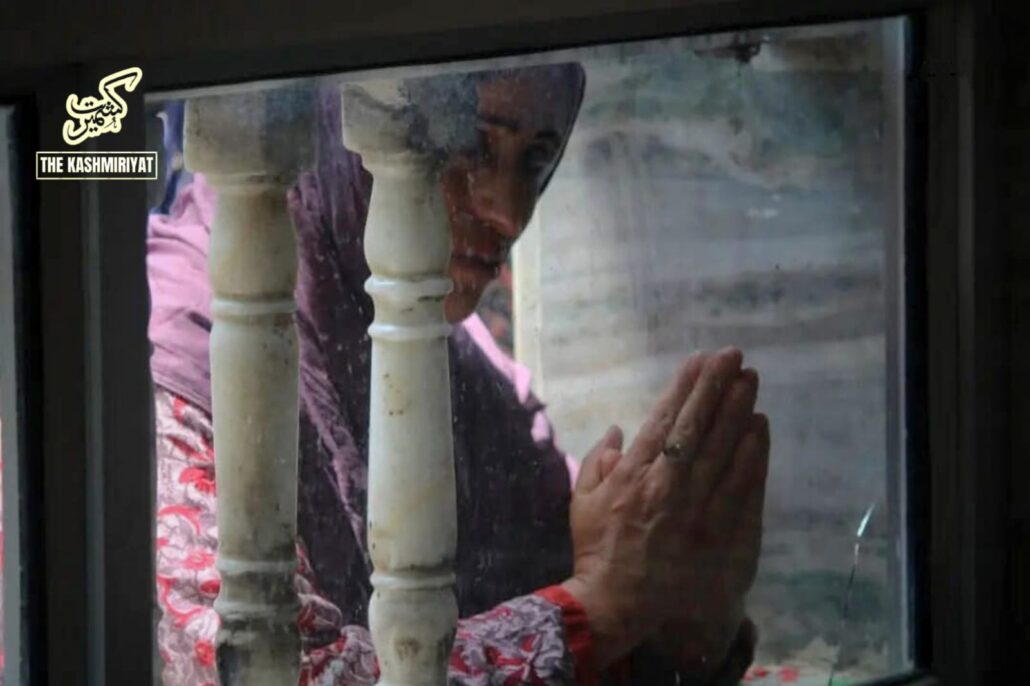
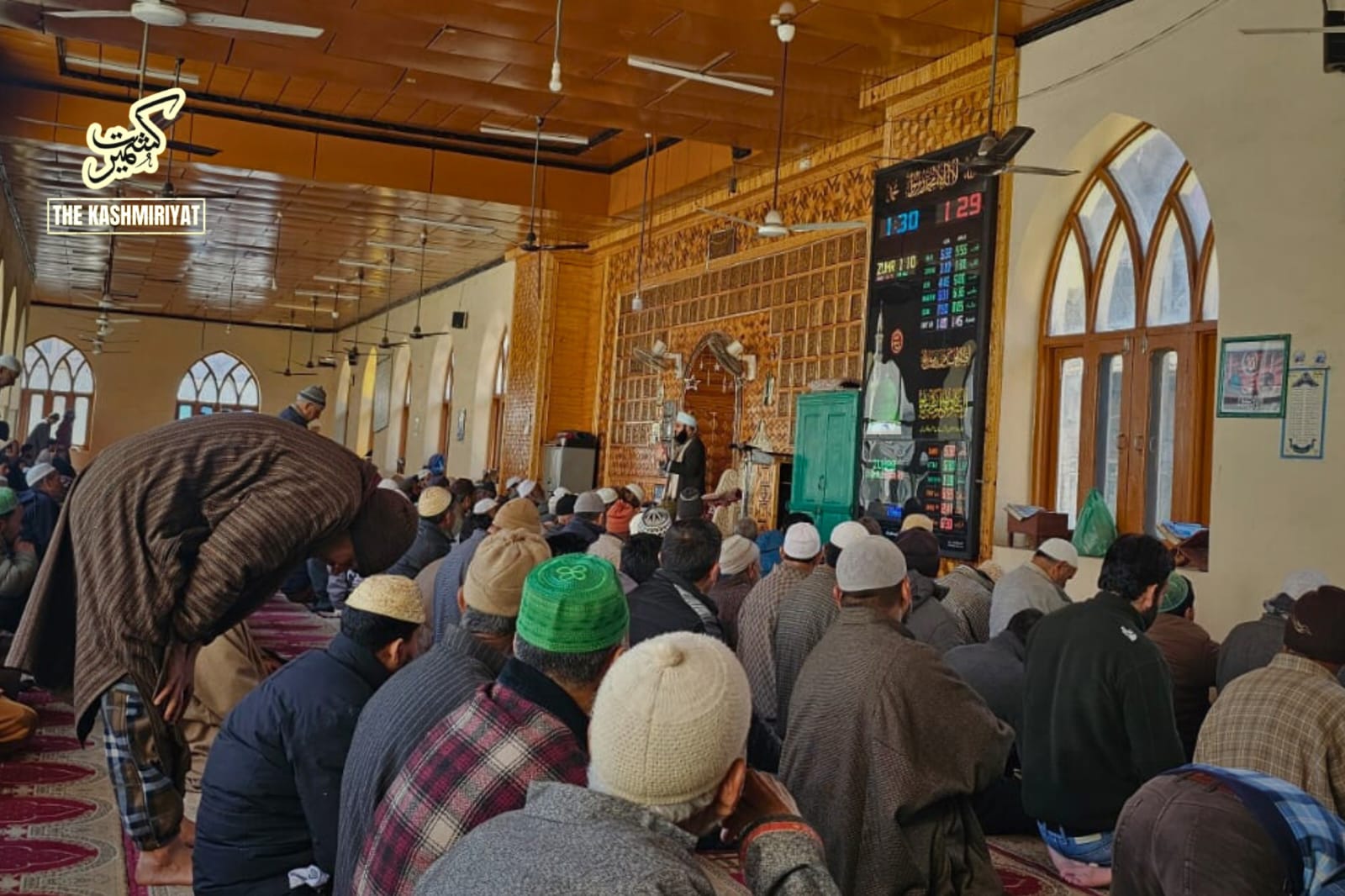
The holy month of Ramadan has begun in Kashmir, filling the valley with an atmosphere of devotion, reflection, and community spirit.
For the next 30 days, Muslims across the region will observe daily fasting, refraining from food and drink from dawn to dusk—about 13 hours this year—while dedicating themselves to prayer, self-discipline, and acts of kindness.
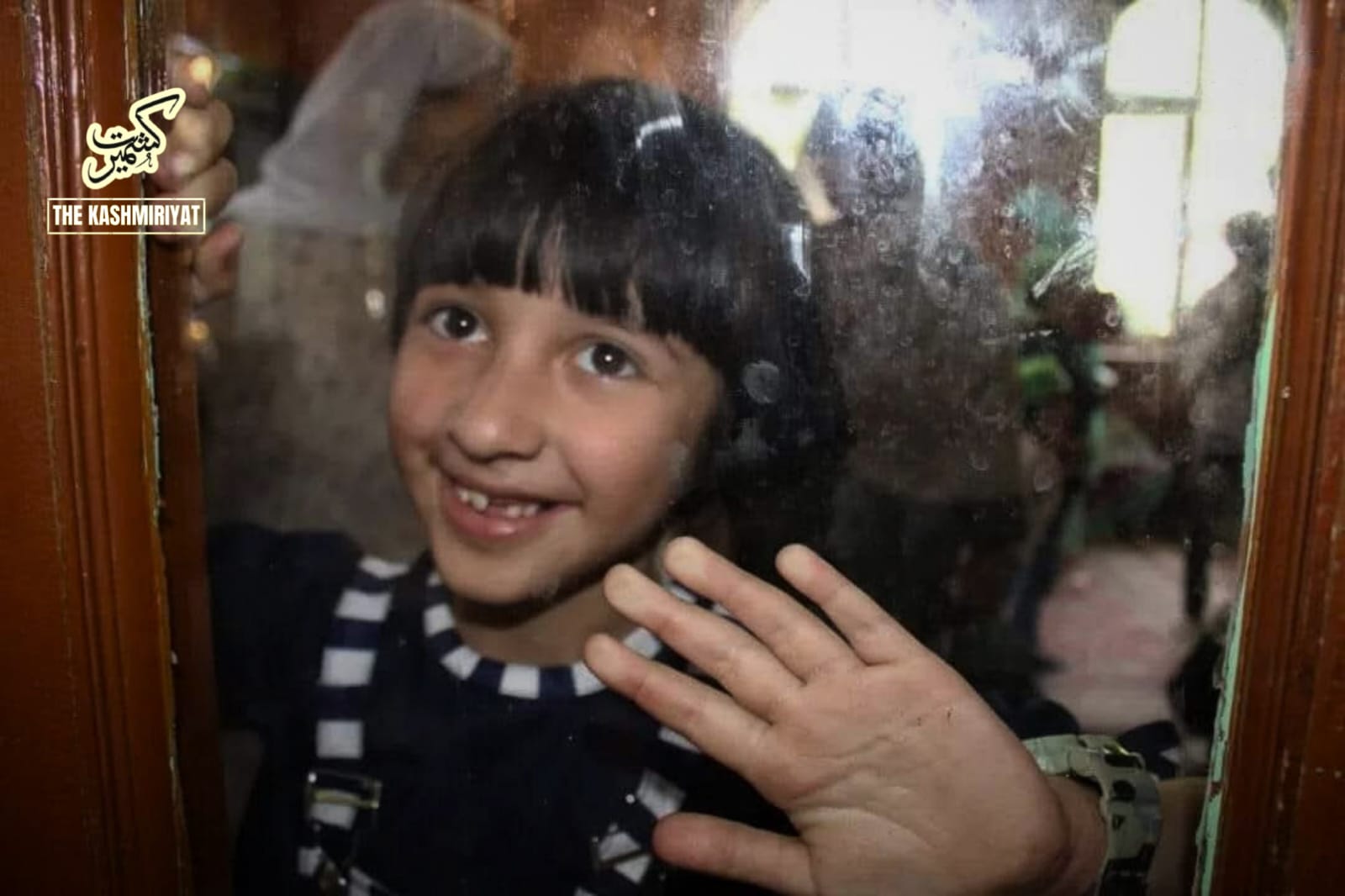
As the pre-dawn meal of sehri concludes in the early hours, mosques echo with the sounds of special prayers, and a peaceful calm settles over towns and villages.
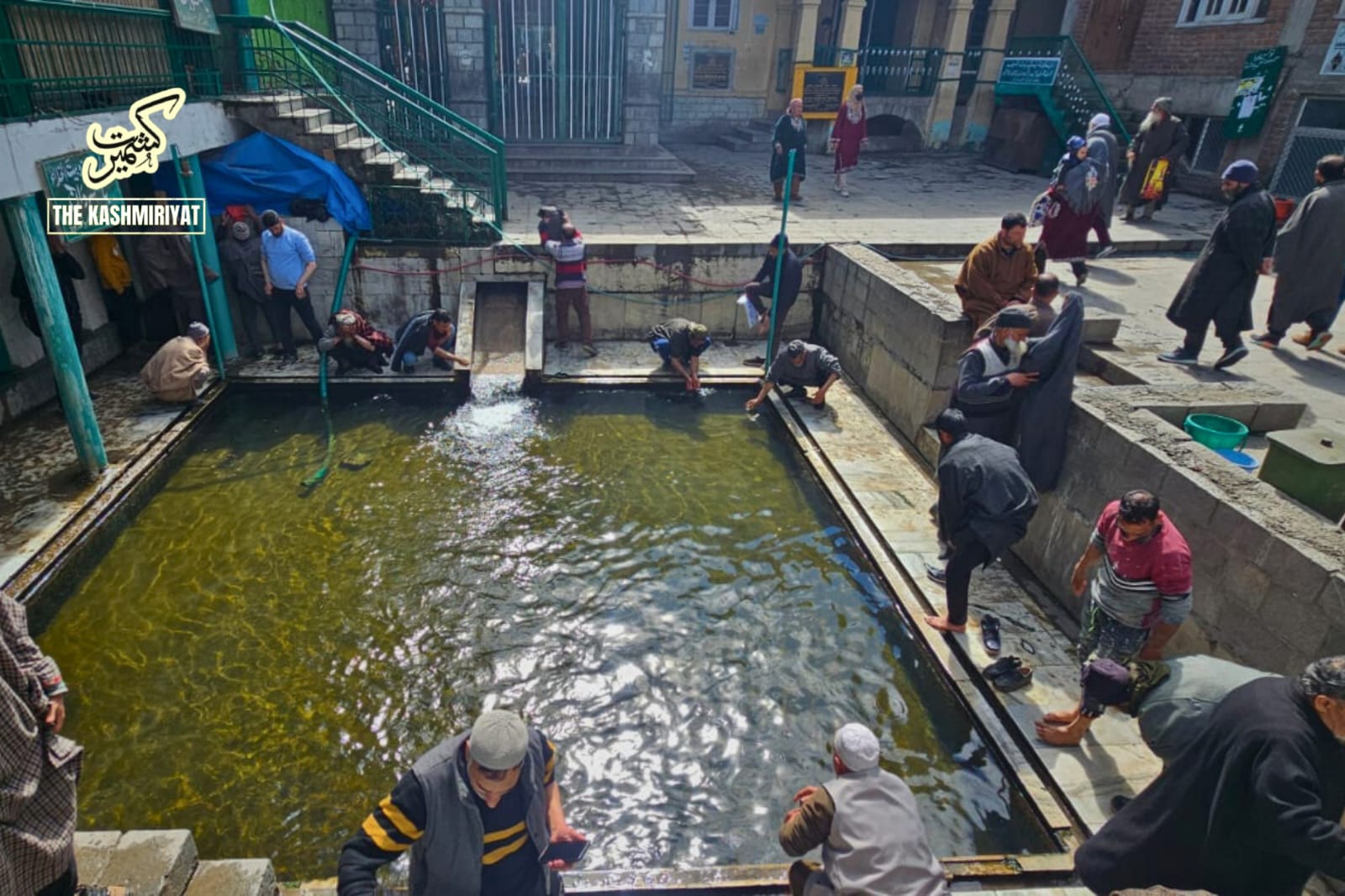
The usual morning rush slows down, as many choose rest and quiet worship following their early prayers. Businesses and markets open later than usual, and the rhythm of daily life shifts to accommodate the spiritual focus of the month.
In the evenings, the valley transforms as families and neighbors come together for iftar, the meal to break the fast.
Traditional dishes like dates, fruits, fried snacks, and meat delicacies fill tables, but beyond the food, these gatherings reflect a shared sense of gratitude and togetherness.
Over the years, Ramadan in Kashmir has also seen a growing emphasis on charity. With more people contributing to local orphanages, support groups, and community kitchens, the month has become not just a time of personal reflection but also collective responsibility.
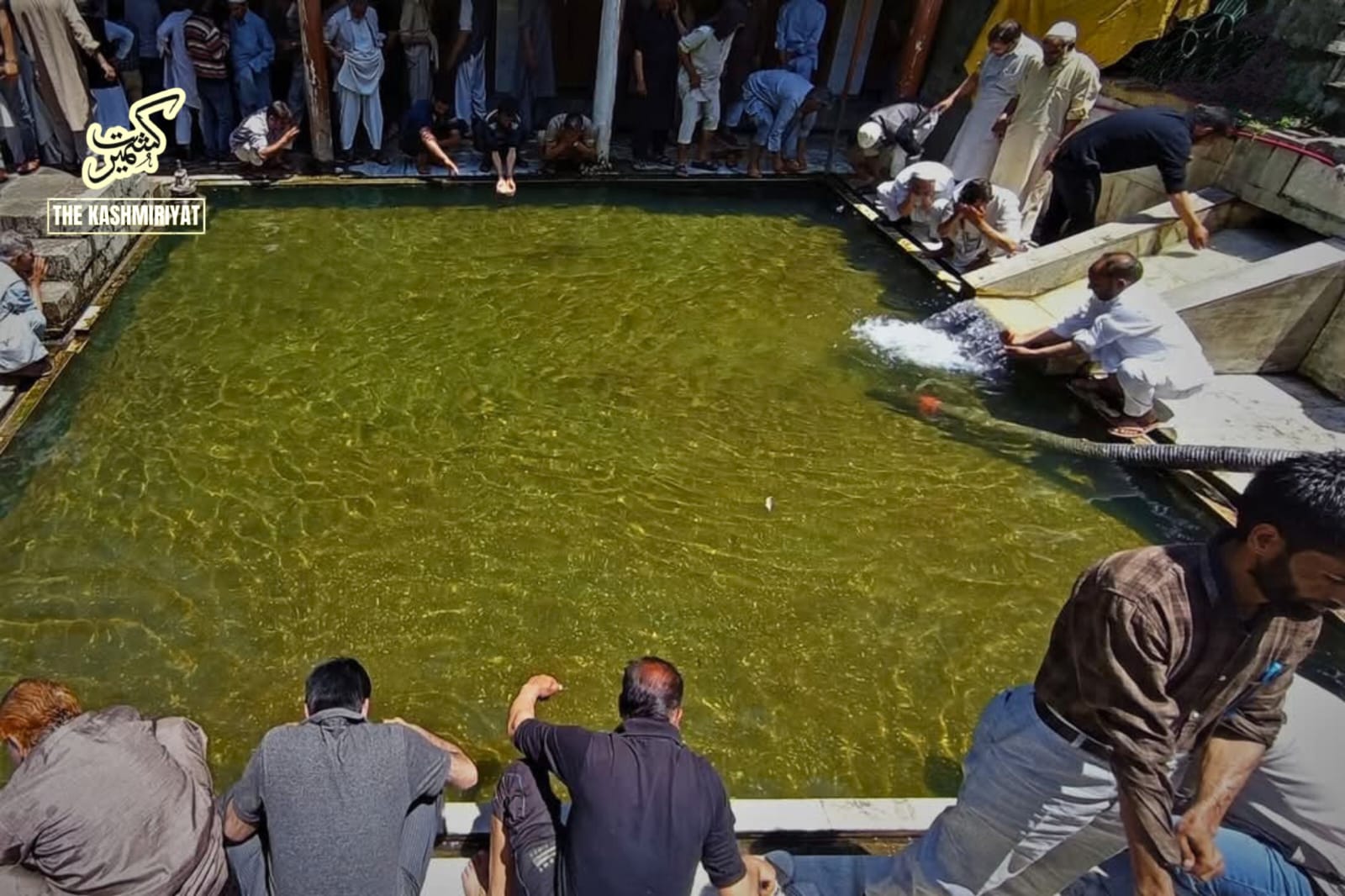
Many well-off families now prefer to donate to organizations caring for orphans, widows, and the underprivileged, strengthening social bonds through acts of service.
For Kashmiris, Ramadan is more than a ritual of fasting; it is a time to seek inner peace, strengthen faith, and care for those around them.
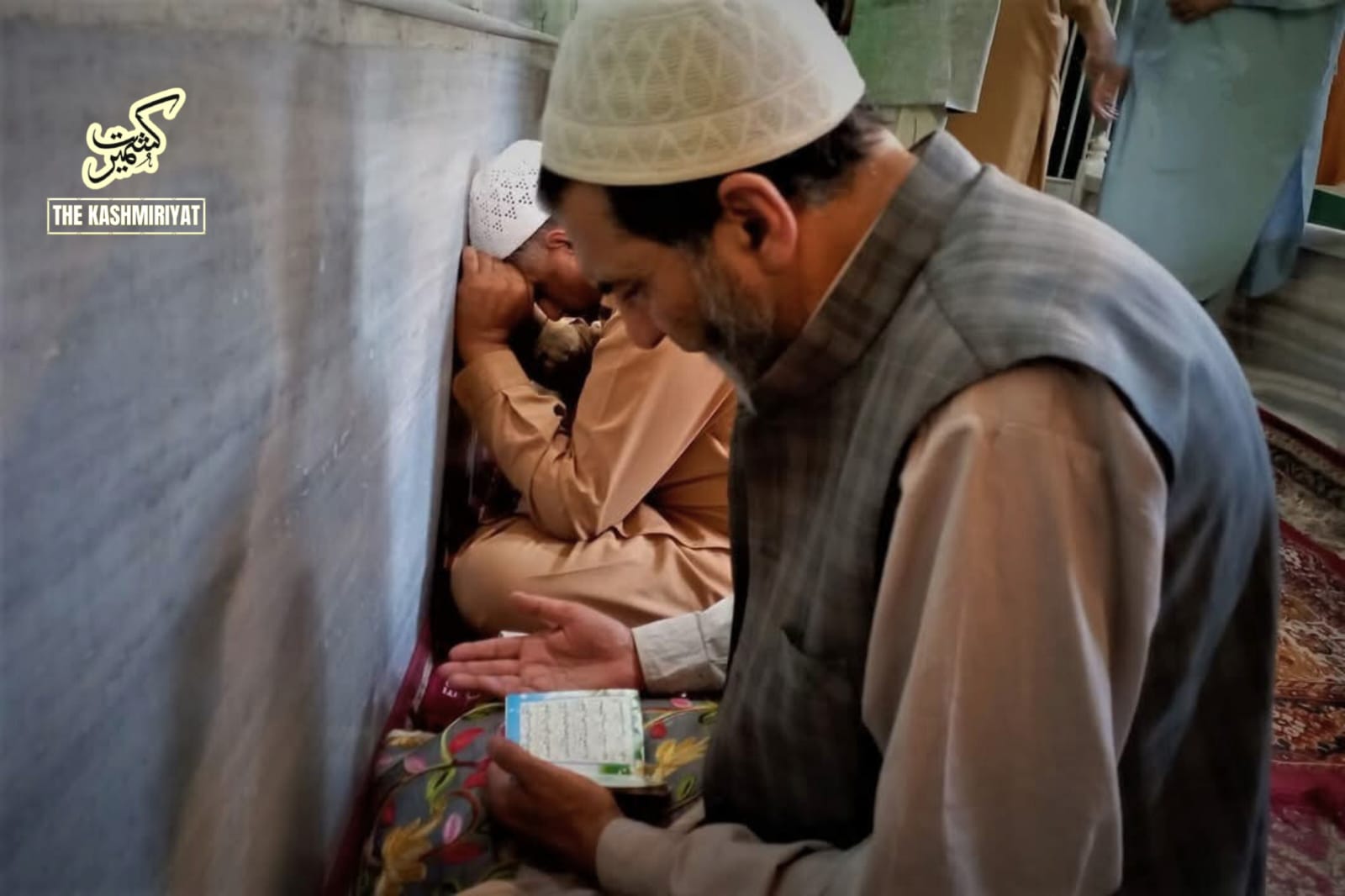
As the month progresses, the valley moves forward in a spirit of devotion and patience, awaiting the celebrations of Eid that will follow the completion of this sacred period.
- News Deskhttps://thekashmiriyat.co.uk/author/kashmiriyat/

- News Deskhttps://thekashmiriyat.co.uk/author/kashmiriyat/

- News Deskhttps://thekashmiriyat.co.uk/author/kashmiriyat/
- News Deskhttps://thekashmiriyat.co.uk/author/kashmiriyat/
