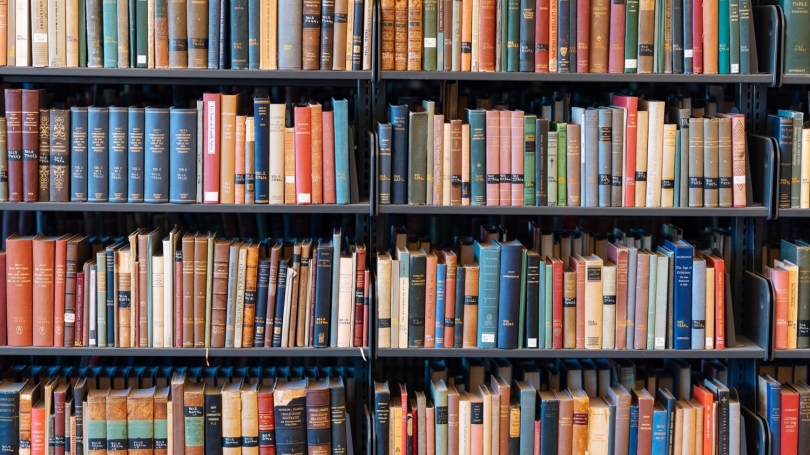
The Jammu Kashmir Home Department has declared 25 books as “forfeited,” citing their alleged role in promoting secessionist sentiments and spreading a false narrative about the region’s political history.
The notification, issued under Section 98 of the Bhartiya Nagarik Suraksha Sanhita 2023, states that the books incite violence, glorify terrorism, and distort historical facts, thereby endangering the sovereignty and integrity of India.
According to the official order, of which a copy is available with The Kashmiriyat, these books, which include academic studies, personal narratives, and political analyses, have contributed to the “radicalisation” of Kashmiri youth by glorifying resistance and presenting what it calls “false grievance and victimhood.”
The books are accused of vilifying security forces and promoting alienation through internal circulation among the public.
Several academic works, including Colonizing Kashmir by Hafsa Kanjwal (Stanford University Press), Resisting Occupation in Kashmir by Haley Duschinski, Mona Bhat, Ather Zia and Cynthia Mahmood (University of Pennsylvania Press), and Between Democracy and Nation by Seema Kazi (Oxford University Press) have also been declared forfeited.
Also included in the list is Do You Remember Kunan Poshpora? by Essar Batool and others (Zubaan Books), A Dismantled State by Anuradha Bhasin, detailing the political fallout of Article 370’s abrogation, and Azadi by Arundhati Roy, which includes a series of essays on nationalism and dissent, have also been blacklisted.
Other authors whose works are now banned include Sumantra Bose, Victoria Schofield, David Devadas, A. G. Noorani, Radhika Gupta, Piotr Balcerowicz, Christopher Snedden, and Sugata Bose. Their books span decades of research and commentary on Kashmir’s political, social and religious tensions, and many have been used widely in academic institutions and policy research.
Interstingly, among the titles banned is Tareekh-i-Siyasat Kashmir by Dr. Afaq, published by Karwan-e-Tahqiq-o-Saqafat Kashmir. The book is a political biography of Sheikh Mohammad Abdullah, one of the most influential figures in Kashmir’s modern history.
The book, which has recently earned a lot of renown, offers a nuanced and largely balanced portrayal of Sheikh Abdullah’s life. It draws upon contemporary writings, public speeches, and critical historical moments to paint a picture that neither idolizes nor vilifies him.
The official notification demands the forfeiture of all physical and digital copies of these 25 books, it remains unclear how enforcement will be carried out in academic institutions and among the general public
- News Deskhttps://thekashmiriyat.co.uk/author/kashmiriyat/
- News Deskhttps://thekashmiriyat.co.uk/author/kashmiriyat/
- News Deskhttps://thekashmiriyat.co.uk/author/kashmiriyat/
- News Deskhttps://thekashmiriyat.co.uk/author/kashmiriyat/


