

Rayees Shah
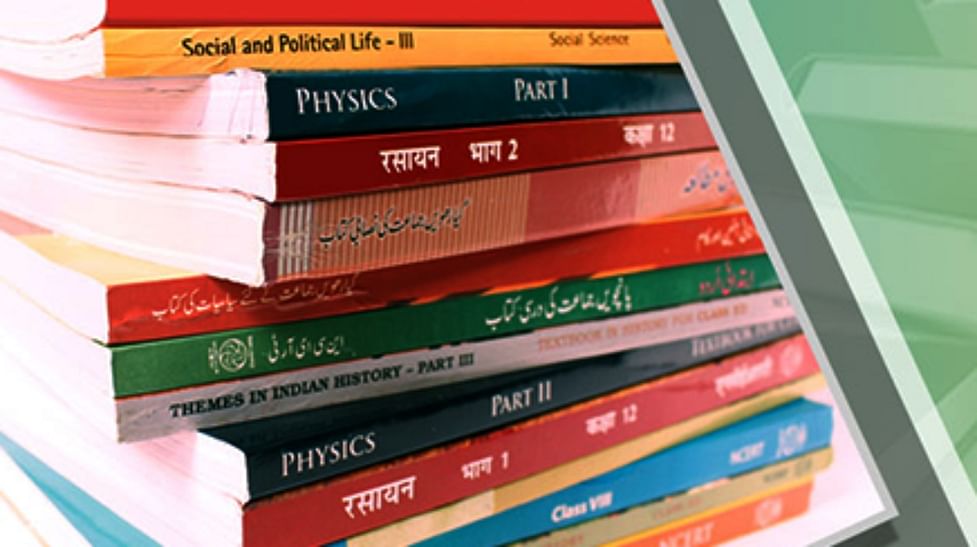
For many families across Kashmir, the start of the new school year is no longer a moment of excitement, it has become a season of financial strain. Parents say private schools are forcing them to buy expensive textbooks from designated vendors, with complete sets costing up to Rs 7,000, leaving households scrambling to meet the demand.
The practice, critics say, has been in place for years but remains largely unchecked. Schools reportedly mandate purchases from specific shops, eliminating any possibility of comparison shopping and giving them near-total control over the prices.
“This is not just about paying more for books… it’s about a system that keeps parents trapped every year,” said Fahim Ahmad, a parent from Anantnag. “The curriculum changes annually, so books from older siblings cannot be reused. Each year, we are forced to spend large sums just to keep our children in school.”
Parents in other districts report similar struggles. Saira Bano from Kulgam said, “We end up queuing outside bookshops, paying high rates, and there is no transparency. The authorities don’t intervene, so schools continue this cycle without any accountability.”
Regulatory gaps have compounded the problem. While the Fee Fixation and Regulation Committee (FFRC) monitors school fees, it does not regulate textbook sales.
A previous proposal to expand the committee’s authority to oversee private schools was reportedly shelved to avoid conflict with influential institutions, leaving parents without an effective grievance mechanism.
Schools offering international curricula, such as Cambridge and Oxford boards, are often seen as using their foreign affiliation to justify inflated prices. Parents suggest that schools should publish the full textbook list online well before the session, giving families the freedom to purchase books at reasonable rates.
For parents across the Valley, what should be a period of learning and preparation has instead become a financial challenge.

- News Deskhttps://thekashmiriyat.co.uk/author/kashmiriyat/
- News Deskhttps://thekashmiriyat.co.uk/author/kashmiriyat/
- News Deskhttps://thekashmiriyat.co.uk/author/kashmiriyat/
- News Deskhttps://thekashmiriyat.co.uk/author/kashmiriyat/


