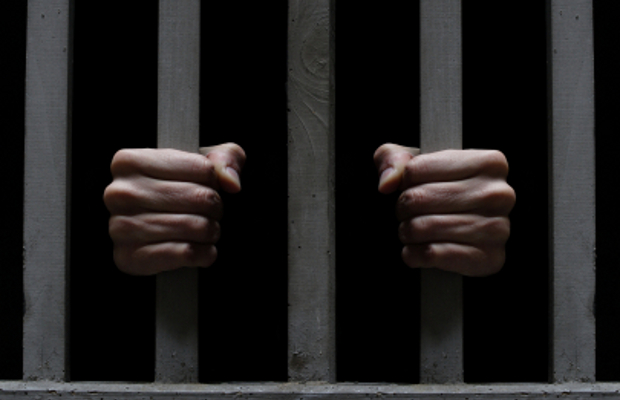
Jammu Kashmir’s prisons continue to face severe overcrowding, low conviction rates, and operational challenges, according to data accessed by The Kashmiriyat from the National Crime Records Bureau (NCRB) 2023 report.
At the end of 2023, the Union Territory housed 5,400 inmates across central, district, and sub-jails, while the total prison capacity was only 3,629, reflecting an overall occupancy rate of 148.8 percent.
Sub-jails were the most overcrowded, operating at 261.5 percent occupancy, followed by district jails at 161.2 percent and central jails at 125.4 percent. These figures are significantly higher than the national average for district jails of 136.6 percent, indicating persistent systemic strain.
During 2023, 10,085 inmates were admitted into Jammu Kashmir prisons. This population comprised 199 convicts, 4,568 undertrials, and 632 preventive detainees, with one inmate detained under other laws. Undertrials accounted for 84.6 percent of all inmates, while the conviction rate remained extremely low at 3.7 percent, highlighting extensive delays in the judicial process and prolonged confinement of accused individuals awaiting trial.
Among undertrials, most were aged 30–50 years (1,983 inmates), with 428 inmates over 50 years and a total of 4,487 in other age groups. The duration of confinement for undertrials varied widely. 703 inmates had been in prison for up to three months, 742 for three to six months, 633 for six to twelve months, 827 for one to two years, 762 for two to three years, 626 for three to five years, and 275 for more than five years. This data reflects long delays in trials and a growing number of long-term undertrials in the system.
During 2023, 9,074 undertrials were released or transferred, including 8,759 on bail, 165 acquitted by lower courts, none released on appeal, 93 transferred to other states, and 57 through other means. Inmate movement outside prisons included 10,852 court visits, 3,017 medical attendances, and 1,012 remand-related movements, indicating the constant logistical demands on the prison system.
Convicts under the Indian Penal Code (IPC) included 79 for murder, one for culpable homicide not amounting to murder, one for attempt to murder, 35 for assault on women with intent to outrage modesty, and one rape case. Among undertrials under Special and Local Laws (SLL), 981 were detained under arms and explosives-related acts and 1,247 under liquor, narcotics, and drug-related acts, illustrating the variety and complexity of criminal cases managed by J&K prisons.
Education levels among inmates reveal the varied backgrounds of convicts, undertrials, and detainees. Among convicts (199 total), 57 were illiterate, 65 below Class X, 60 Class X and above but below graduation, 13 graduates, 4 holding technical degrees or diplomas, and none were postgraduates.
Among undertrials (4,568 total), 984 were illiterate, 1,580 below Class X, 1,634 Class X and above but below graduation, 290 graduates, 12 holding technical degrees or diplomas, and 68 postgraduates. Preventive detainees (632 total) included 125 illiterate, 193 below Class X, 243 Class X and above but below graduation, 55 graduates, one holding a technical degree, and 15 postgraduates.
As per the data accessed by The Kashmiriyat, the jails provide medical care through sanctioned doctors and paramedical staff. Three major jails operate 10-bed hospitals, while district jails have 5-bed hospitals. Inmates with serious medical conditions are referred to external hospitals. Routine health screenings are conducted for HIV, hepatitis B, tuberculosis, and diabetes to maintain inmate health.
In terms of rehabilitation, IGNOU study centers operate in multiple jails, providing adult and higher education opportunities. Vocational training is also emphasized, with programs including candle making, electric trade, bamboo art, weaving, hair cutting, embroidery, cutting and tailoring, and carpentry to facilitate skill development and reintegration.
Staffing in Jammu Kashmir prisons remains below sanctioned strength, with only 50.5 percent of posts filled, compared to the national average of 67.2 percent. Insufficient staffing impacts both safety and rehabilitation programs, highlighting the need for increased recruitment and training.
Expenditure on inmates accounted for 20.1 percent of the total annual budget in Jammu and Kashmir, reflecting significant allocation of resources to manage the prison system. This is comparatively lower than some other states and union territories, such as Haryana and Lakshadweep, which reported 100 percent expenditure on inmates out of their total budget.
The NCRB 2023 report highlights persistent challenges in Jammu and Kashmir’s prison system, including overcrowding, delays in judicial proceedings, low conviction rates, and inadequate staffing. Despite these challenges, efforts in education, healthcare, and vocational training show a commitment to rehabilitation. Experts emphasize that reforms are urgently needed to reduce undertrial numbers, improve conviction efficiency, and enhance inmate welfare and rehabilitation.

- News Deskhttps://thekashmiriyat.co.uk/author/kashmiriyat/
- News Deskhttps://thekashmiriyat.co.uk/author/kashmiriyat/
- News Deskhttps://thekashmiriyat.co.uk/author/kashmiriyat/
- News Deskhttps://thekashmiriyat.co.uk/author/kashmiriyat/


