
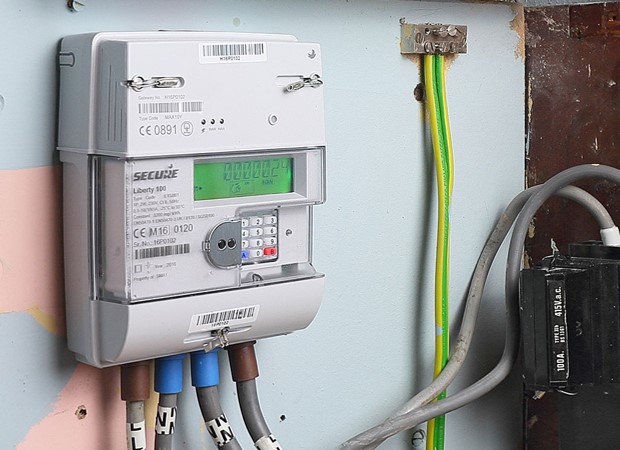
Protests against smart electricity meters have intensified across India, with Maharashtra witnessing some of the most recent demonstrations.
In Nagpur, members of the Vidarbha Rajya Andolan Samiti staged a “power march” and burned electricity bills to express their dissatisfaction with the Maharashtra State Electricity Distribution Company Limited’s rollout of smart meters and recent tariff hikes.
Speaking about the protests, VRAS leader Sunil Shinde said, “People are being forced to pay double or triple for their electricity after these meters were installed. We will continue to protest until the government listens.”
While authorities have assured that complaints will be investigated, the state has made it clear that the smart meter installation program will continue.
In West Bengal, the government took a decisive step by halting the installation of prepaid smart meters in residential areas following widespread public anger.
Power Minister Aroop Biswas said, “We are thankful to our Chief Minister Mamata Banerjee for stalling the installation of smart meters. Residential consumers will have the option to revert to traditional meters, paying bills quarterly as before.”
Residents in districts such as Howrah, North 24 Parganas, and Bardhaman had complained of sudden spikes in their electricity bills after the installation of smart meters.
To ease the transition, the government introduced a ₹300 credit buffer and restricted disconnections during weekends and holidays.
Installations in commercial establishments, government offices, and telecom towers will continue, where the system has already been successfully implemented.
Andhra Pradesh and Tripura, however, have continued with their smart meter rollouts despite opposition. In Andhra Pradesh, Energy Minister Gottipati Ravi Kumar addressed public concerns, stating, “We are looking into billing complaints at the field level, but the smart meter installation will continue. These meters are essential for accurate billing and reducing losses.”
In Tripura, the State Electricity Minister said, “Any billing issues are due to human errors, not the technology itself. Smart meters will improve service and transparency in the long run.”
In Haryana, resistance has primarily come from farmer groups. A Samyukt Kisan Morcha leader said, “We will not allow smart or prepaid meters in villages. Rising tariffs and privatization are hurting farmers, and we will fight this policy.”
The contrasting responses among states highlight the challenges of implementing new technology in India.
While West Bengal has temporarily paused residential installations to address public grievances, other states continue to push forward, stressing the long-term benefits of smart meters, including better service, reduced losses, and accurate billing.

- News Deskhttps://thekashmiriyat.co.uk/author/kashmiriyat/

- News Deskhttps://thekashmiriyat.co.uk/author/kashmiriyat/

- News Deskhttps://thekashmiriyat.co.uk/author/kashmiriyat/
- News Deskhttps://thekashmiriyat.co.uk/author/kashmiriyat/
