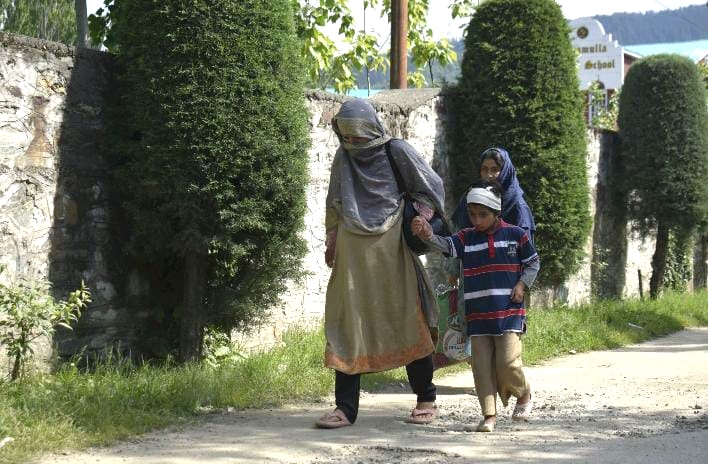
Jammu Kashmir is witnessing a growing demand for mental health services, as more people come forward to seek treatment amid rising psychological challenges.
Official data shows that Government Medical College (GMC), Anantnag, treated over 2.7 lakh patients with mental health issues in the past five years.
At the same time, the Institute of Mental Health and Neurosciences (IMHANS), GMC Srinagar, catered to nearly two lakh patients last year, including those dealing with general mental health concerns and substance-use disorders.
Dr Yasir Rather, Professor at IMHANS, said, “These numbers reflect the urgent need for accessible, affordable, and stigma-free care in the region. Mental health services must not be a privilege of peace, but a necessity in times of crisis.”
He added that in Kashmir, ongoing uncertainty, conflict, natural disasters, and social stress have made mental health challenges a daily reality. “We must strengthen community-based services, integrate psychological support into disaster responses, and ensure no one is left behind,” Dr Rather said.
Doctors warn that depression, anxiety, bipolar disorder, and substance abuse remain among the most common and pressing issues. A senior psychiatrist highlighted the rise in drug abuse, especially among youth, calling it a “dangerous social concern” that destroys both purpose and potential.
Health professionals recommend simple steps to maintain emotional well-being: daily physical activity, seeking professional help when needed, avoiding harmful coping mechanisms like smoking or self-harm, and setting emotional and occupational boundaries to prevent burnout.
Experts also stressed the importance of early intervention, supportive living conditions, and strengthening primary healthcare systems to make mental health care more accessible. Long-term measures like early childhood development programs, psychosocial support, and nutritional assistance are seen as crucial for building a healthier society.
“Rapid urbanisation, migration, and climate change are emerging stressors, adding to the risk of depression, anxiety, and substance use. A multi-dimensional approach involving families, schools, community leaders, and healthcare institutions is essential to reverse the rising trend of mental health disorders in Jammu and Kashmir,” doctors concluded.

- News Deskhttps://thekashmiriyat.co.uk/author/kashmiriyat/
- News Deskhttps://thekashmiriyat.co.uk/author/kashmiriyat/
- News Deskhttps://thekashmiriyat.co.uk/author/kashmiriyat/
- News Deskhttps://thekashmiriyat.co.uk/author/kashmiriyat/


