
Shabir Khan
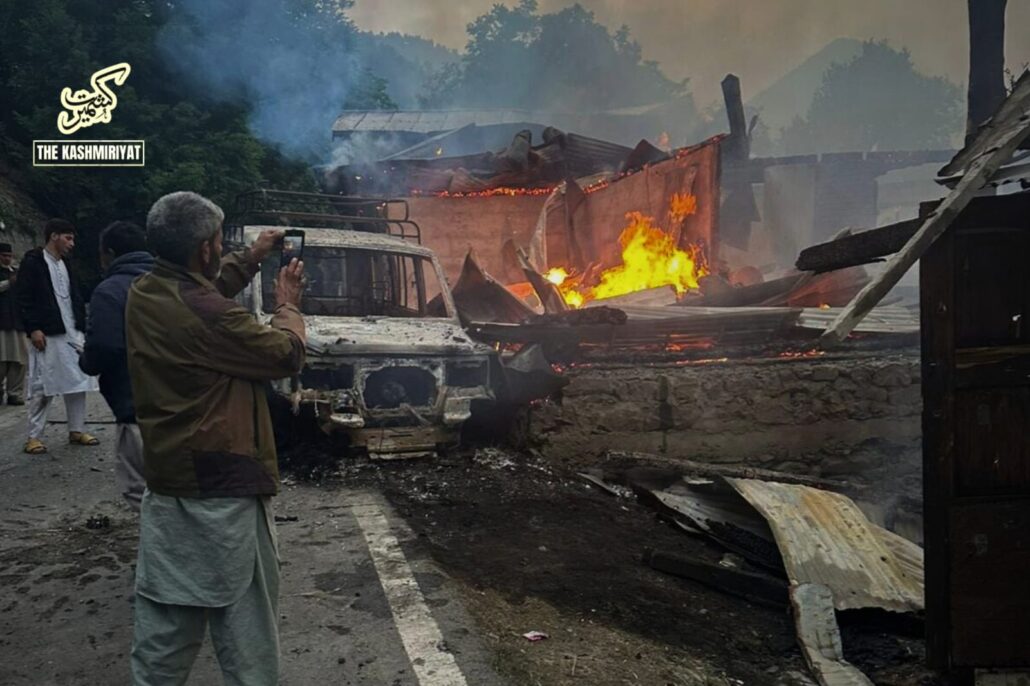
What should have been a night of celebration turned into devastation in Hajinar, a remote village in the Karnah sector of north Kashmir.
Just hours before her wedding day, 23-year-old Bisma Nazir watched her home collapse under mortar fire from across the Line of Control—the first major shelling since the 2021 ceasefire agreement between India and Pakistan.
“We were sitting together, laughing, putting final touches to the decorations,” Bisma said, standing beside the ruins of what was once her home. “One moment we were planning my wedding, and the next moment everything was dust.”
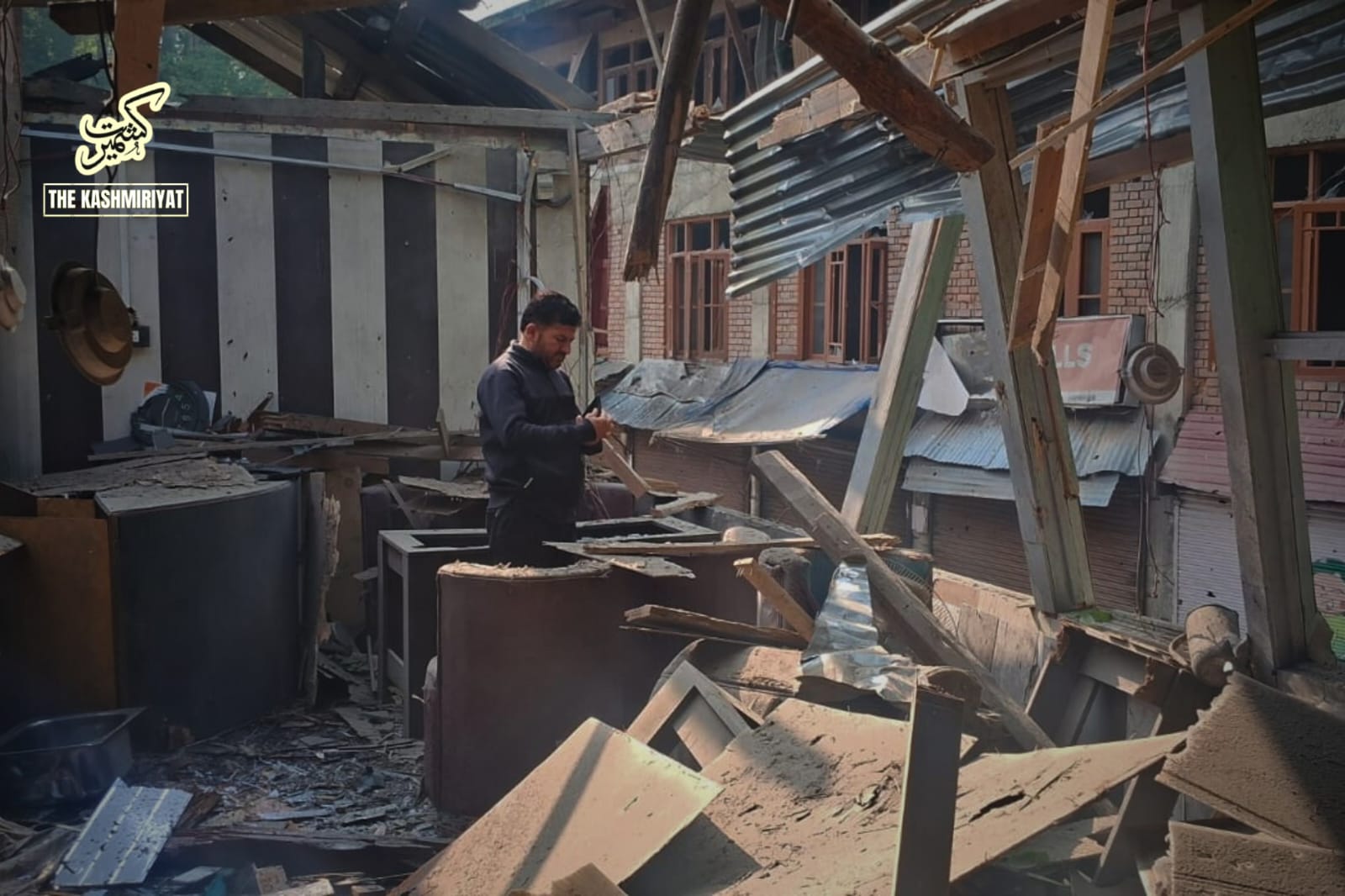
The fairy lights still dangle over crumbled walls, and the faint aroma of wedding food lingers in the debris.
Her father, Nazir Ahmad Mir, a daily-wage laborer, had worked for years to save up for the wedding. “We had nothing extravagant—just love and effort,” he said. “It’s all gone now. Not even the roof remains.”
Neighbors arrived at dawn, helping collect scattered belongings—utensils, a torn wedding scarf, a half-buried plate of sweets. “This wedding wasn’t just Bisma’s—it belonged to the entire village,” said Shakeela, a relative, wiping her eyes. “Now it’s grief we all share.”
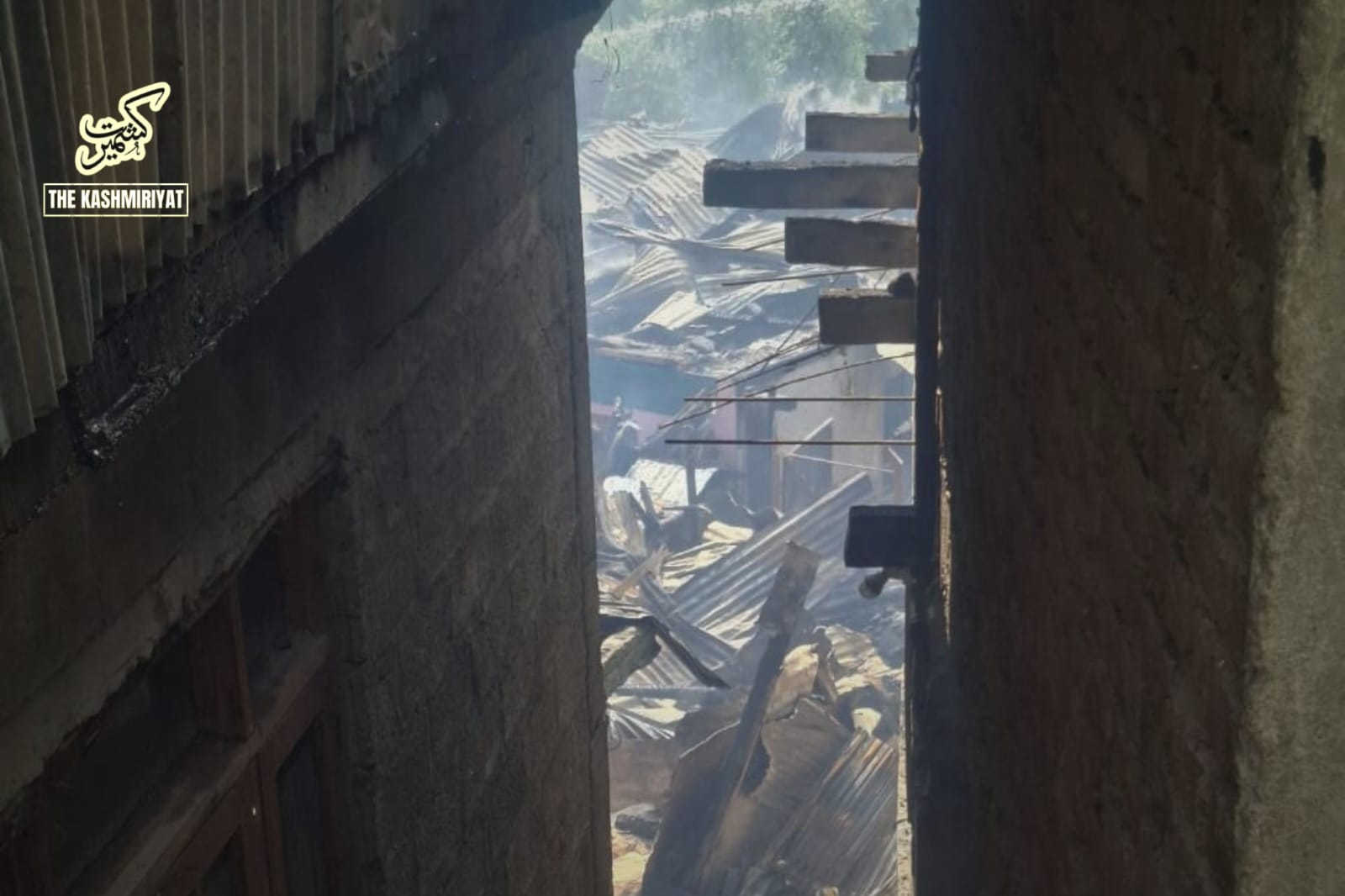
Several homes were damaged in the shelling, and dozens of residents spent the night in makeshift shelters or underground bunkers—spaces that had remained sealed and forgotten since the ceasefire. The Mir family bore the brunt, but fear and sorrow have swept across nearby villages too.
“This was the first wedding we had looked forward to in months,” said Abdul Majeed, a neighbor. “Instead of music and joy, there’s silence and ruin.”
The shelling on Thursday night marks the first major ceasefire violation since the landmark agreement in February 2021, which had brought cautious relief to border residents. After years of gunfire and mortar strikes, villages like Hajinar had begun rebuilding. Agricultural fields were re-cultivated, schools reopened, and even tourism started picking up in the scenic Karnah valley—homestays and trekking routes began drawing visitors to a region long cut off by violence.
“We had peace for three years,” said Ghulam Nabi, the village sarpanch. “People were back in their fields, children were playing outside, some were even building new homes. That trust is broken again.”
Authorities have begun shifting families in forward areas like Hajinar and Dhani to safer zones, reopening underground community bunkers. The Kupwara district administration visited the affected areas, but residents say tangible aid is yet to arrive. “They come, take photos, and leave,” Ghulam Nabi added. “We need more than that—we need help, security, and dignity.”
The escalation between the two nuclear powers comes in the wake of a deadly attack on Hindu pilgrims in Pahalgam on April 22, which killed 28 civilians. India has blamed Pakistan-based militant groups for the strike and recently launched “Operation Sindoor,” targeting suspected launchpads along the LoC. In retaliation, Pakistan initiated “Operation Bunyan al-Marsus,” escalating cross-border shelling and drone strikes.
Caught in the crossfire are residents of villages like Hajinar.
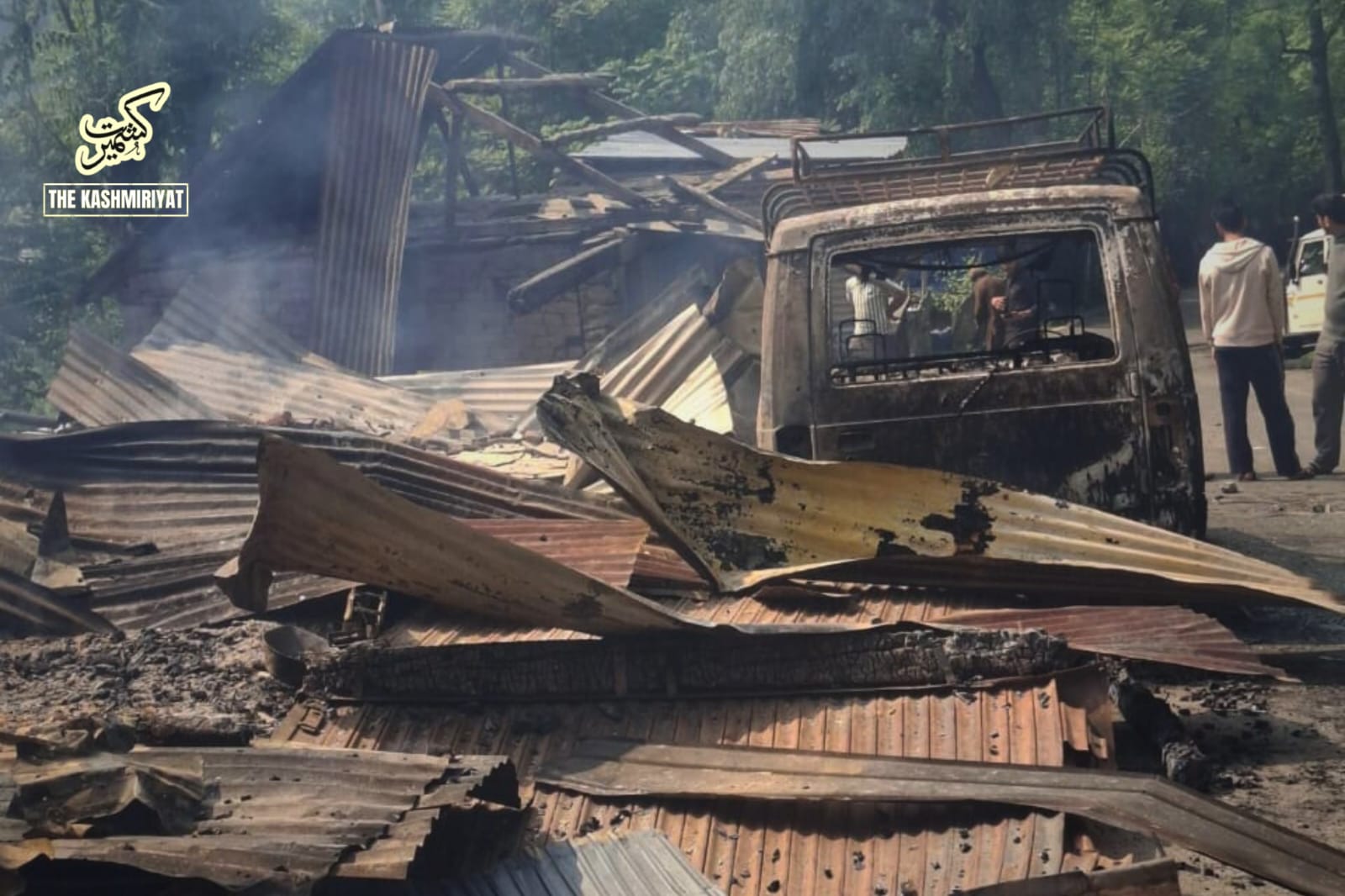
“They talk about war like it’s a game,” said Muhammad Ramzan, an elderly resident, sitting beside a half-cleared bunker. “TV anchors in Delhi and Mumbai sit in their comfort cars and want a war to be brought upon us. But when the shells fall, it’s not their homes that shake. It’s ours. Just a few border villages.”
For villagers like Bisma and her family, this wasn’t just a ceasefire breach—it was a personal disaster. “She’s waited for this day her whole life,” said Shakeela. “Now she has nothing but broken bricks and silence.”
As dusk settles on Karnah, the mood is grim. Bunkers, once locked and overgrown, have been swept and reopened. The sounds of laughter, music, and wedding drums have been replaced by the distant rumble of artillery and hurried footsteps.
The fragile peace that had kept hope alive for three years has cracked—and for those who live on the edge of that line, the cost is measured not just in property or politics, but in stolen moments, broken ceremonies, and lives forced into hiding once again.

- News Deskhttps://thekashmiriyat.co.uk/author/kashmiriyat/

- News Deskhttps://thekashmiriyat.co.uk/author/kashmiriyat/

- News Deskhttps://thekashmiriyat.co.uk/author/kashmiriyat/
- News Deskhttps://thekashmiriyat.co.uk/author/kashmiriyat/
