

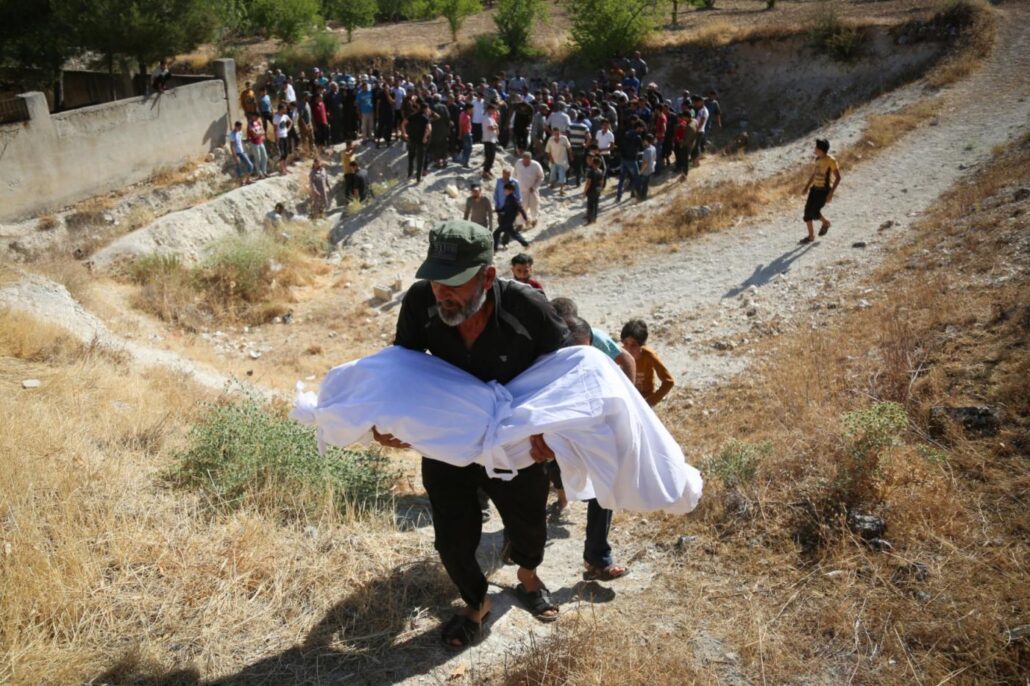
The Syrian government has launched a sweeping military intervention in the southern province of Suwayda, targeting areas home to both Druze and Sunni Bedouin communities. The operation began in the early hours of July 14 and followed several days of violent clashes between local Druze fighters and armed Bedouin tribesmen. The military deployment, which the government describes as a security operation, has resulted in dozens of deaths and has been condemned by local leaders as a brutal crackdown.
According to the Syrian Interior Ministry, the military was deployed “to resolve the conflict, stop clashes, impose security, prosecute those responsible for the events, and refer them to the competent judiciary.” Interior Minister Anas Khattab stated, “There is no solution to this except imposing security measures and activating the role of institutions to ensure civil peace and the return of life to its normal state in all its details.” Syrian state television also broadcasted statements from the Ministry emphasizing that the army’s role was “to prevent any civilian casualties” and to protect the area from further instability.
In retaliation, ISIS and Al Sharaa led HTS fighters abducted tribal leaders, raided livestock encampments, and executed those seen as sympathetic to local anti-ISIS militias. Several Bedouin men were killed for resisting the group. These acts of resistance went largely undocumented, but they remain etched in the memories of the survivors.
Today, those same communities are under fire from Damascus. In 2022, a regime militia stormed a Bedouin village in eastern Suwayda, killing seven men on accusations of smuggling. Since then, Bedouin villagers have complained of arbitrary arrests, aerial surveillance, and economic blockades. Now, with the full weight of the Syrian army bearing down on both Bedouin and Druze areas, a shared sense of betrayal and grief is taking root.
“This is not just a sectarian clash,” a local youth activist in Suwayda city was quoted as saying by local media. “This is a province that stood up to the old government, fought off ISIS and HTS, and was ignored for years. Now they return as the new government; not to support us, but to take revenge and crush us.”


- News Deskhttps://thekashmiriyat.co.uk/author/kashmiriyat/

- News Deskhttps://thekashmiriyat.co.uk/author/kashmiriyat/

- News Deskhttps://thekashmiriyat.co.uk/author/kashmiriyat/
- News Deskhttps://thekashmiriyat.co.uk/author/kashmiriyat/

