
Qazi Shibli
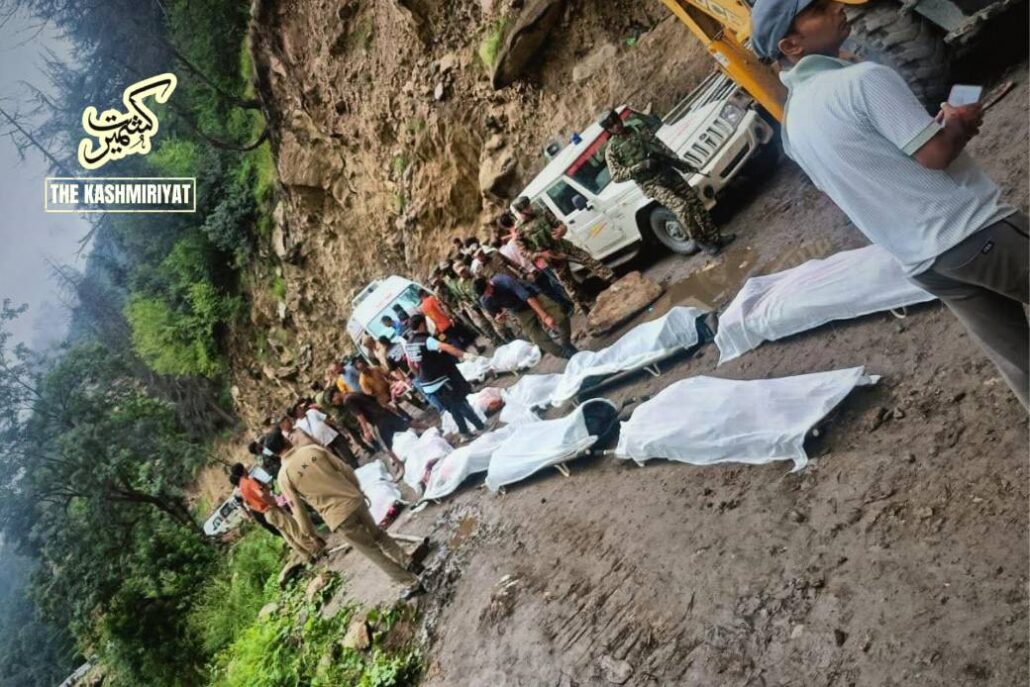
At 51, Sharma is a familiar face in Chashoti village, known for his dhaba that has long served as a resting point for pilgrims on their way to the Machail Mata shrine. On Thursday, his establishment was bustling with over 400 devotees when disaster struck. “I never imagined the ground beneath us could turn into a river in seconds. I lost my father and many others today,” he said, his voice breaking.
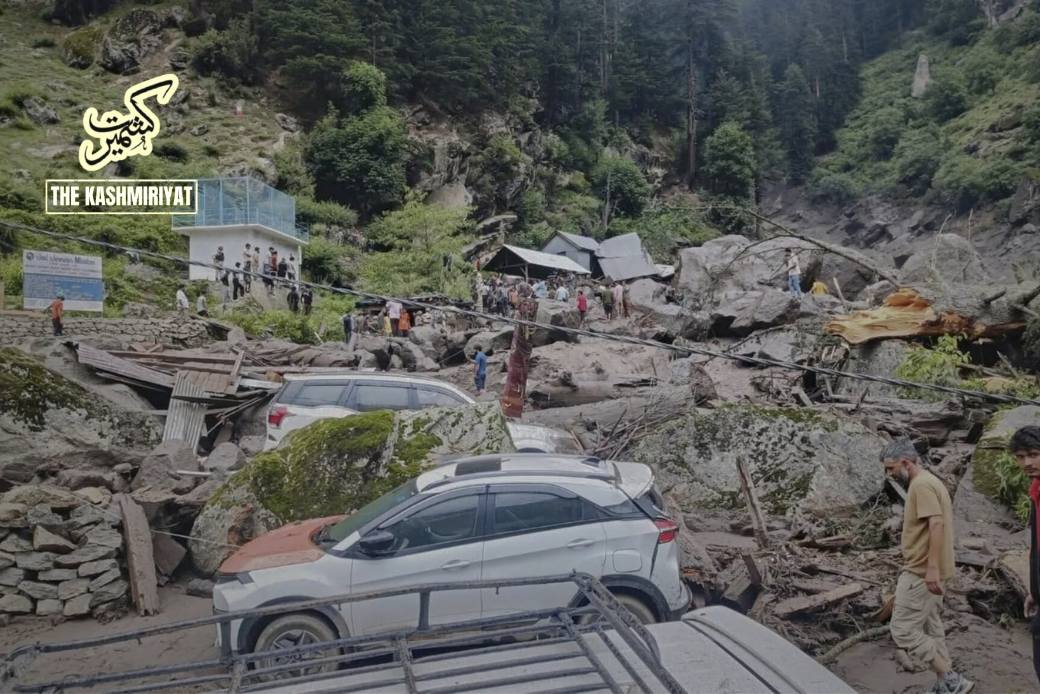
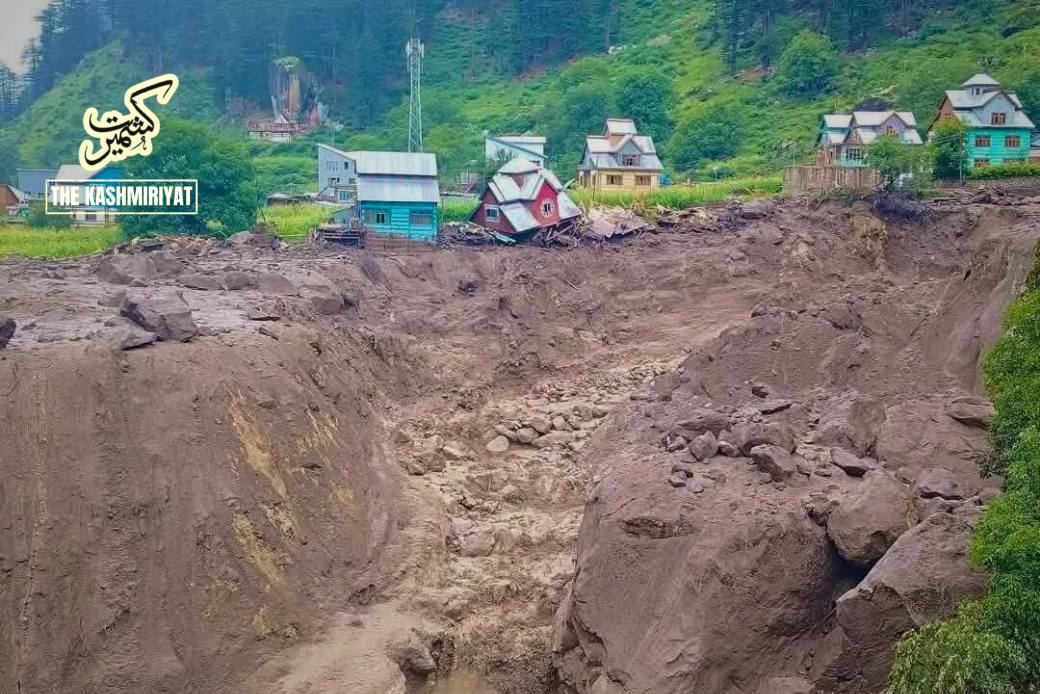
#cloudburst in Kishtwar: Death toll crosses to 50; over 150 still missing.
Here's the first report from ground
Report by Syed Imran~TK pic.twitter.com/g81c4kx7Rt
— The Kashmiriyat (@TheKashmiriyat) August 14, 2025
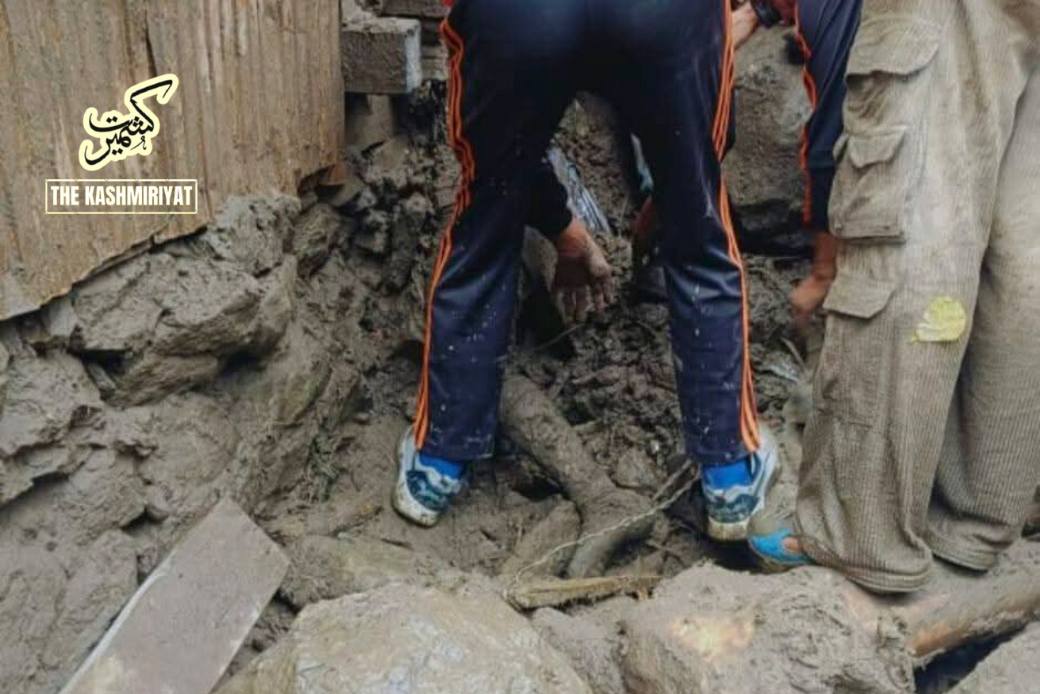
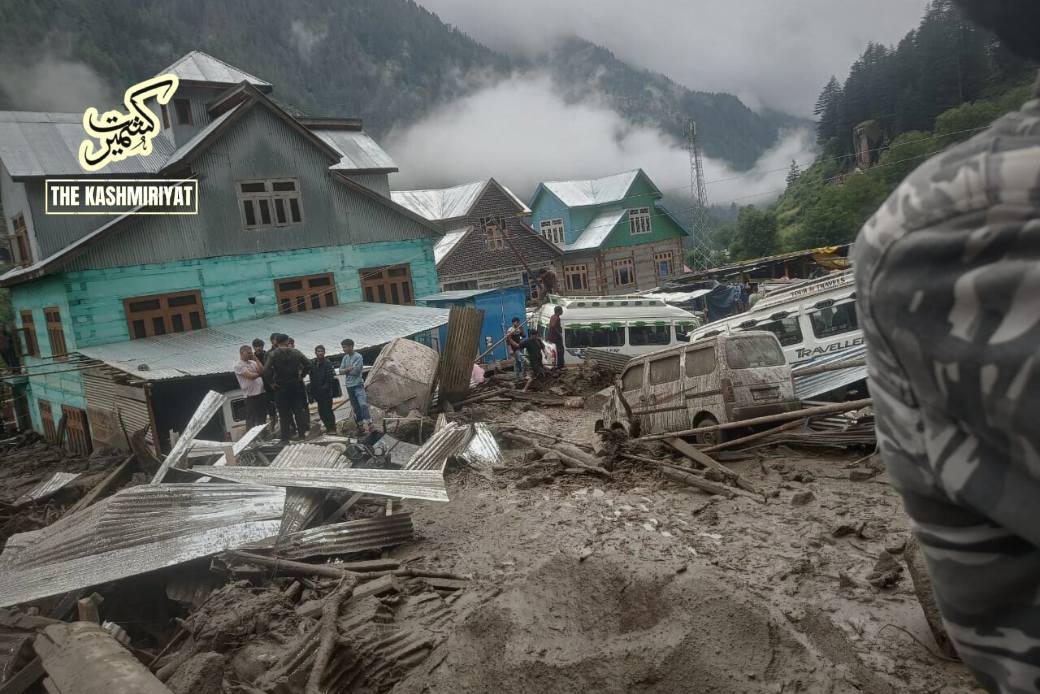
The cloudburst hit around 11:30 a.m., on Thursday (August 14, 2025), unleashing torrents of water that swept away tents, makeshift kitchens, and even a CRPF post. Sharma’s dhaba, which had been serving food to hundreds, was engulfed by the flash floods. His father was pulled from the rubble, but many others remain unaccounted for. Sharma himself narrowly escaped by holding onto a nearby tree while helping other pilgrims reach safer ground.
ALSO READ: ‘The rebellion of the mountains’: Are we ignoring nature’s warnings?
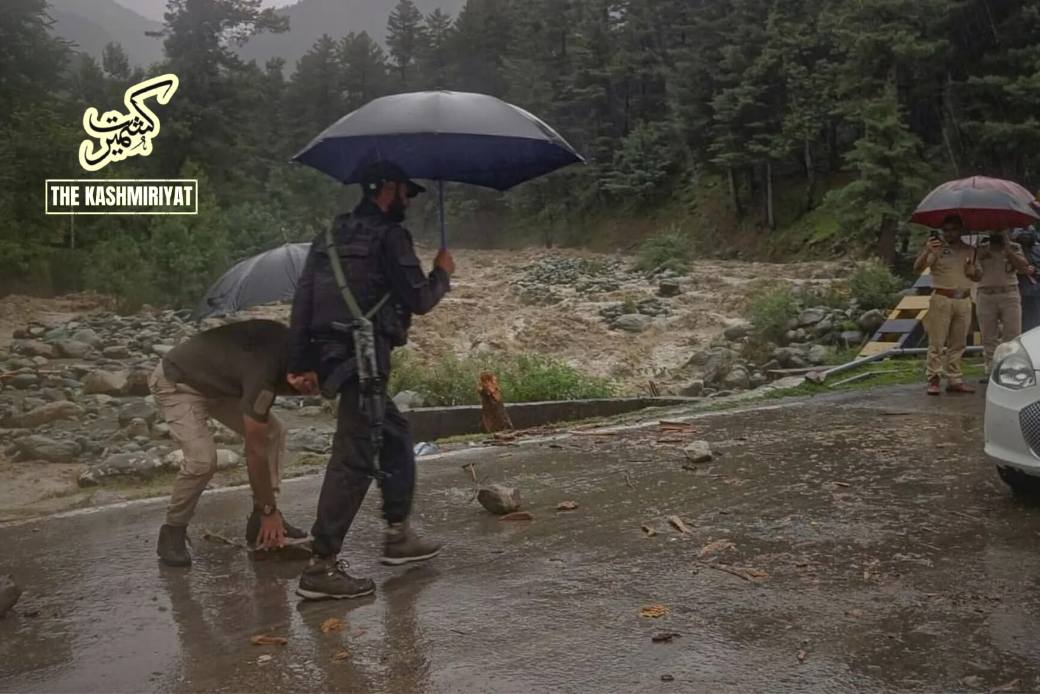
Expressing deep sorrow, Chief Minister Omar Abdullah said, “The loss of lives in Chashoti is a tragedy beyond words. Our thoughts are with the families who have lost their loved ones, and we are doing everything possible to ensure rescue and relief for those affected.” In light of the incident, he canceled the scheduled “At Home” tea party and Independence Day cultural events. His office is in constant touch with the district administration to coordinate relief and rescue.
Prime Minister Narendra Modi also spoke with Abdullah and Lieutenant Governor Manoj Sinha, assuring all possible assistance. Union Home Minister Amit Shah and Minister Jitendra Singh are monitoring developments, with control rooms and emergency helplines now operational for affected families.
A local resident voiced frustration over unchecked development in the fragile mountains: “We have been begging and raising our voices against the cutting of the mountains. But no one listens until it’s too late.” Experts say such intense cloudbursts, sudden downpours exceeding 100 mm in an hour are becoming more frequent in the Himalayan region, making fragile mountain settlements and pilgrimage routes increasingly vulnerable to disaster.
Development at a Cost
Chashoti, once a remote settlement nestled in the rugged terrains of Kishtwar district, has undergone significant transformation in recent years. Historically isolated, the village became motorable in the early 2010s to facilitate the annual Machail Mata Yatra, a pilgrimage that attracts thousands of devotees. Before the road was built, the journey involved multi-day treks that naturally limited pilgrim numbers. The new road reduced travel time to a few hours, sending annual footfall soaring from a few thousand to tens of thousands, boosting the local economy through roadside eateries and guesthouses.
This development, while enhancing accessibility for pilgrims, has inadvertently increased the region’s susceptibility to natural disasters. Road cuts, slope blasting, and deforestation have altered fragile hill structures, while rising temperatures and erratic rainfall patterns have made these slopes more unstable.
The Himalayan region, known for its ecological sensitivity, has been experiencing a surge in natural calamities. Experts attribute this alarming trend to a combination of climate change and anthropogenic activities. Dr. Arun Kumar, a geologist specializing in Himalayan geology, explained, “The Himalayas are inherently unstable due to their young geological age and tectonic activity. However, in recent years, human interventions have exacerbated the situation. Unplanned construction, deforestation, and road building have destabilized slopes, making them more prone to landslides and flash floods.”
Dr. Kumar further highlights the broader implications of such activities: “In Himachal Pradesh and Uttarakhand, we’ve witnessed devastating landslides and cloudbursts in recent years. The tragic Ramban landslide in Jammu Kashmir is a stark reminder of how unchecked development can trigger catastrophic events. These are not isolated incidents but part of a larger pattern of environmental degradation.”
Research by the Indian Institute of Remote Sensing (IIRS) corroborates these observations. Their studies indicate that between 2000 and 2020, the Himalayan region has experienced significant ecological changes. Deforestation, urban sprawl, and infrastructure development have led to reduced glacier cover, increased bare land, and shifts in tree lines, all contributing to heightened ecological vulnerability.
The story is playing out far beyond Chashoti, Dr. Kumar pointed out. In Himachal Pradesh, recent monsoon extremes triggered a series of landslides and flash floods that left at least 78 people dead in 2025 alone. Entire roads and bridges were washed away, and villages were cut off for days. In Mandi district, the widening of the Kiratpur–Manali highway caused severe land subsidence forcing nine families to evacuate as cracks tore through their homes. “Locals blame aggressive hill-cutting and the absence of protective engineering measure,” he told The Kashmiriyat.
In Uttarakhand’s Dharali village, a flash flood earlier this year killed four and left many missing. Villagers accused authorities of prioritizing stranded tourists over residents during rescue operations. The National Disaster Management Authority (NDMA) has since initiated an investigation into the spike in extreme weather events in both Himachal and Uttarakhand, aiming to develop stricter building and road construction guidelines.
“Perhaps the most dramatic warning comes from Joshimath, Uttarakhand’s historic pilgrimage town, which is literally sinking. Built on ancient landslide debris, the town’s foundations have been unable to bear the load of unregulated expansion, hydropower tunneling, and blocked drainage. Over 65% of homes have developed cracks, and parts of the town sank more than 30 cm in just two years,” he said.
Multiple scientific reports have identified the culprits: morainic soil prone to shifting, population pressure, unplanned multi-storey construction, and inadequate waste and water management. Warnings about this vulnerability date back to the Mishra Committee’s 1976 report, which recommended strict controls on blasting, traffic, and large-scale building advice that went largely ignored. A recent satellite study showed that Joshimath’s built-up area has nearly doubled in the past 17 years.
Rescue Heroes and the Cost of Unchecked Development
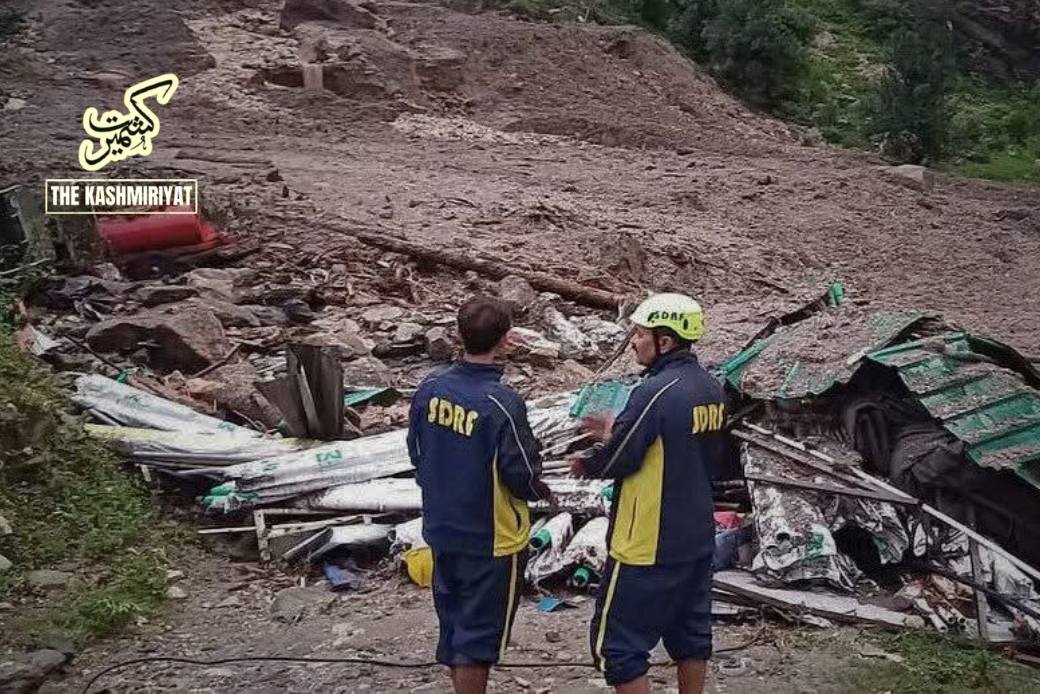
As locals continue searching for their loved ones, the humanitarian group Ababeel, active across Jammu and the Chenab Valley, has been integral to rescue and relief efforts following the cloudburst. Volunteers worked tirelessly to pull dozens trapped in mud and debris, even assisting in transferring bodies from Atholi to Assar, ensuring they were handled with dignity.
“We have done dozens of rescue operations in this region, but nothing compares to the scale of devastation this time,” said one Ababeel volunteer. “Landslides have become so frequent in the past few years that every monsoon feels more dangerous than the last.” He described how unstable slopes now collapse with even moderate rainfall, burying homes and cutting off villages in minutes.
Another volunteer recounted, “We were among the first to reach the site. The situation was chaotic—homes were destroyed, vehicles swept away, and people stranded in mud and water. Despite the dangers, we managed to rescue several individuals trapped under debris. Every life saved made it worth it.” The organization also coordinated with local authorities to provide food, water, temporary shelter, and medical aid, minimal essentials that make a profound difference in the storm’s immediate aftermath.
Elderly local Abdul Rashid Khan emphasized the cost of poorly planned development: “Development activities, especially road construction, make the mountains more susceptible to landslides. The added weight on slopes and the disruption of natural water flow increase instability. The mountains have already endured so many disasters; it feels like they are warning us about what could come next.” His sentiment echoed powerfully across the hills when he later added, “The mountains have borne the weight of our progress, but they can only endure so much. We must learn to tread lightly, for the earth speaks when we ignore its warnings.”
Authorities have coordinated such relief operations at the highest levels. Lieutenant Governor Manoj Sinha expressed condolences and urged all agencies to bolster rescue efforts. Amid this tragedy, local voices capture the critical lesson: development must be balanced with caution and reverence for the fragile Himalayan environment.
The tragedy in Chashoti is part of a disturbing regional pattern. In April 2025, Ramban district in Jammu Kashmir endured deadly landslides and flash floods triggered by intense cloudbursts—events that eerily mirror the risks that struck Chashoti. Between April 19–20, Ramban received over 117mm of rainfall, culminating in landslides that damaged between 200–250 homes, broke vital infrastructure, and claimed at least three lives—including two children. The Jammu–Srinagar National Highway, the region’s lifeline, was critically disrupted across multiple stretches, leaving hundreds stranded and transport at a standstill.
As rescue teams braved the raging waters to search for survivors, volunteers from Ababeel rushed into the valley’s chaos. One of them, still drenched and shivering, recounted carrying an elderly woman on his back for nearly two kilometers through mud and debris. “She kept saying she didn’t want to leave her home,” he recalled softly, looking back at what was once the hamlet. “I told her, Ammi, we can build another house, but we can’t bring you back if something happens to you.”
He quickly prepared to set out again, hoping to find more trapped villagers before nightfall, even as he feared the human cost of a kind of ‘development’ that locals say they never asked for.

Qazi Shibli is an editor with The Kashmiriyat. His works have appeared in various local and international publications, A Journalism Graduate from Bangalore University, Shibli also has published documentaries.
- Qazi Shiblihttps://thekashmiriyat.co.uk/author/qazishibli/

- Qazi Shiblihttps://thekashmiriyat.co.uk/author/qazishibli/

- Qazi Shiblihttps://thekashmiriyat.co.uk/author/qazishibli/

- Qazi Shiblihttps://thekashmiriyat.co.uk/author/qazishibli/
