


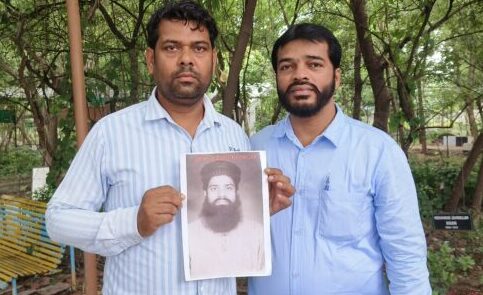
At Jaripatka Qabrastan in Nagpur, community members, rights activists, and relatives gathered on Sunday to honor the memory of Kamal Ahmed Ansari, a man who spent 16 years in prison on terror charges before being acquitted posthumously. Ansari died behind bars in 2021, four years before the Bombay High Court cleared his name in connection with the 2006 Mumbai train bombings.
The commemoration was marked by grief and quiet defiance. Portions of the July 21 High Court verdict that exonerated him were read aloud at his grave, an act participants described as a symbolic restoration of dignity. “He had always said he was innocent. Today, even the law affirms it,” said Dr Abdul Wahid Shaikh, General Secretary of the Innocence Network, who led the tribute along with Jamiat-e-Ulama Nagpur president Qari Sabir.
Ansari, a poor chicken seller and vegetable vendor from Madhubani, Bihar, was the father of five and the sole earner for his family. His arrest by the Maharashtra ATS in the aftermath of the train bombings derailed his modest life. Branded a terrorist, he languished in Nagpur Central Jail until his death during the COVID-19 pandemic. His family, meanwhile, lived through years of stigma and deprivation.
“This acquittal means little for those left behind,” said his younger brother Jamal Ahmed Ansari, who had travelled from Delhi for the remembrance. “The judgment cannot give us back the years we lost, nor can it heal the humiliation we endured.”
Speakers at the event stressed that Kamal Ahmed’s ordeal was not unique. They pointed to what they see as a recurring pattern: marginalized men, often from poor Muslim families, being falsely implicated in terror cases and spending years in prison before being acquitted. “Every wrongful conviction is an assault on justice. Kamal’s grave is a reminder of the urgent need for reform and accountability,” said Dr Shaikh.
The Innocence Network, which campaigns against wrongful convictions, vowed to continue documenting cases like Ansari’s. “There must be safeguards to prevent the abuse of anti-terror laws, otherwise more families will be destroyed by false charges,” it said in a statement.
As the gathering ended with prayers, the mood was a mix of mourning and resolve. For Kamal Ahmed’s family, acquittal came too late. For the community, his story stands as both a cautionary tale and a call for systemic change in India’s criminal justice system


- News Deskhttps://thekashmiriyat.co.uk/author/kashmiriyat/

- News Deskhttps://thekashmiriyat.co.uk/author/kashmiriyat/

- News Deskhttps://thekashmiriyat.co.uk/author/kashmiriyat/
- News Deskhttps://thekashmiriyat.co.uk/author/kashmiriyat/

