
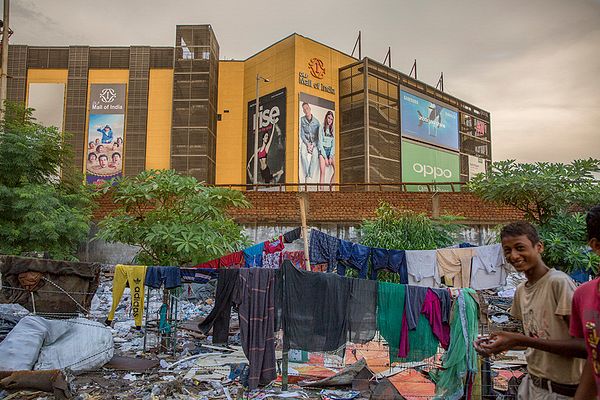
India’s Goods and Services Tax (GST) underwent a sweeping revision this week, aimed at simplifying the tax structure and easing costs for consumers. The government has reduced rates on several essential items and household products, while increasing taxes on certain goods and services. Experts, however, warn that despite headline reductions, hidden costs and uneven implementation could offset the benefits.
According to the revised rates, staples like dairy products, packaged foods, bicycles, and certain household appliances have seen reductions in GST, with rates falling from 12% to 5% or from 28% to 18% in some cases. Fertilizers and agricultural inputs have also been made cheaper, aiming to reduce the burden on farmers. Conversely, other household items, tobacco, alcoholic beverages, automobiles, and select private services now attract higher GST, in some cases up to 40%, raising concerns about affordability for middle and high-income consumers.
Analysts highlight that logistical factors and packaging costs could undermine the benefits. For example, while GST on food items has been reduced, packaging materials for agricultural products may still attract a higher rate, which could increase costs for farmers and traders. Additionally, businesses may delay passing on GST reductions to consumers, and compliance costs for small enterprises could rise.
“The new GST rates are designed to simplify the tax structure and provide relief, but consumers need to be aware of hidden costs,” said a senior economist at a Delhi think tank. “While your butter or bicycle may be cheaper, products with high packaging or luxury components may become costlier, and the benefit is unevenly distributed.”
Comparison of Price Changes: What Gets Cheaper and What Gets Costlier
| Category | Items | GST Before | GST After | Price Trend |
|---|---|---|---|---|
| Cheaper Items | Ghee, Butter, Paneer | 12% | 5% | ↓ |
| Packaged Foods (snacks, sauces) | 18% | 12% | ↓ | |
| Air Conditioners, Refrigerators | 28% | 18% | ↓ | |
| Bicycles | 12% | 5% | ↓ | |
| Hotel Accommodation (≤ ₹7,500/day) | 18% | 5% | ↓ | |
| Fertilizers | 12% | 5% | ↓ | |
| Renewable Energy Equipment | 12% | 5% | ↓ | |
| Handicrafts and Marble Products | 12% | 5% | ↓ | |
| Medical Supplies & Diagnostic Kits | 12% | 5% | ↓ | |
| Beauty & Wellness Services | 18% | 5% | ↓ | |
| Costlier Items | Watches, Designer Bags | 28%+cess | 40% | ↑ |
| Cigarettes, Tobacco Products | 28%+cess | 40% | ↑ | |
| High-End Cars & Motorcycles | 28%+cess | 40% | ↑ | |
| Alcoholic Beverages | 28%+cess | 40% | ↑ | |
| Private Healthcare | 12% | 18% | ↑ | |
| Private Education | 12% | 18% | ↑ | |
| Air Travel | 5-12% | 18% | ↑ | |
| Private Security Services | 12% | 18% | ↑ | |
| Jewelry & Precious Metals | 3-5% | 12-18% | ↑ | |
| Luxury Real Estate | 5% | 18% | ↑ |
The revised GST regime reflects the government’s push to rationalize taxes and stimulate certain sectors, but experts caution that consumers must remain alert to price shifts in both essential and non-essential goods. For many households, the benefits will be tangible in daily essentials, but luxury goods and certain services are set to see noticeable increases.

- News Deskhttps://thekashmiriyat.co.uk/author/kashmiriyat/
- News Deskhttps://thekashmiriyat.co.uk/author/kashmiriyat/
- News Deskhttps://thekashmiriyat.co.uk/author/kashmiriyat/
- News Deskhttps://thekashmiriyat.co.uk/author/kashmiriyat/


