

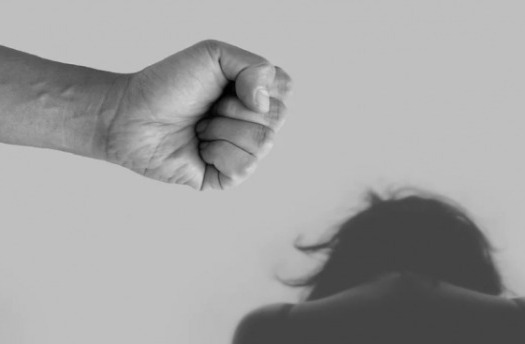
More than 13% of women in Jammu & Kashmir have experienced violence after marriage, with husbands being the primary perpetrators in most cases, according to the National Family Health Survey-5 (NFHS-5).
The report reveals that only 14% of women who faced violence sought help, while 84% neither reported nor confided in anyone. Among those who did seek assistance, most turned to their own families (54%), their husband’s family (44%), or friends (24%), while only 4% approached the police.
The findings indicate that 10% of women aged 18-49 in J&K have experienced physical violence, and 3% have faced sexual violence.
Among ever-married women, 12% reported experiencing physical or sexual violence, and 1% of pregnant women aged 18-19 reported physical abuse during pregnancy.
Spousal violence remains prevalent, with 9% of married women facing physical abuse from their husbands, 4% experiencing sexual violence, and 8% subjected to emotional abuse.
Additionally, 5% reported being stabbed by their husbands. Forms of abuse included being pushed, shaken, kicked, punched, or attacked with weapons.
The report also highlights that 2% of ever-married women were forced into sex by their husbands, either through physical force or threats.
Overall, 10% of ever-married women have faced spousal physical or sexual violence from their current or most recent husband.
Spousal violence cuts across all groups but is lower among educated women—13% of women with at least 12 years of schooling reported experiencing abuse.
The rate is higher in rural areas (15%) compared to urban areas (7%) and among women employed for cash (19%) compared to those not employed (11%).
Domestic and spousal violence is recognized as a major public health and human rights issue, reflecting broader gender inequality and discrimination.
The lasting impact on physical, mental, sexual, and reproductive health underscores the urgent need for awareness and intervention.

- News Deskhttps://thekashmiriyat.co.uk/author/kashmiriyat/
- News Deskhttps://thekashmiriyat.co.uk/author/kashmiriyat/
- News Deskhttps://thekashmiriyat.co.uk/author/kashmiriyat/
- News Deskhttps://thekashmiriyat.co.uk/author/kashmiriyat/


